
Latest News
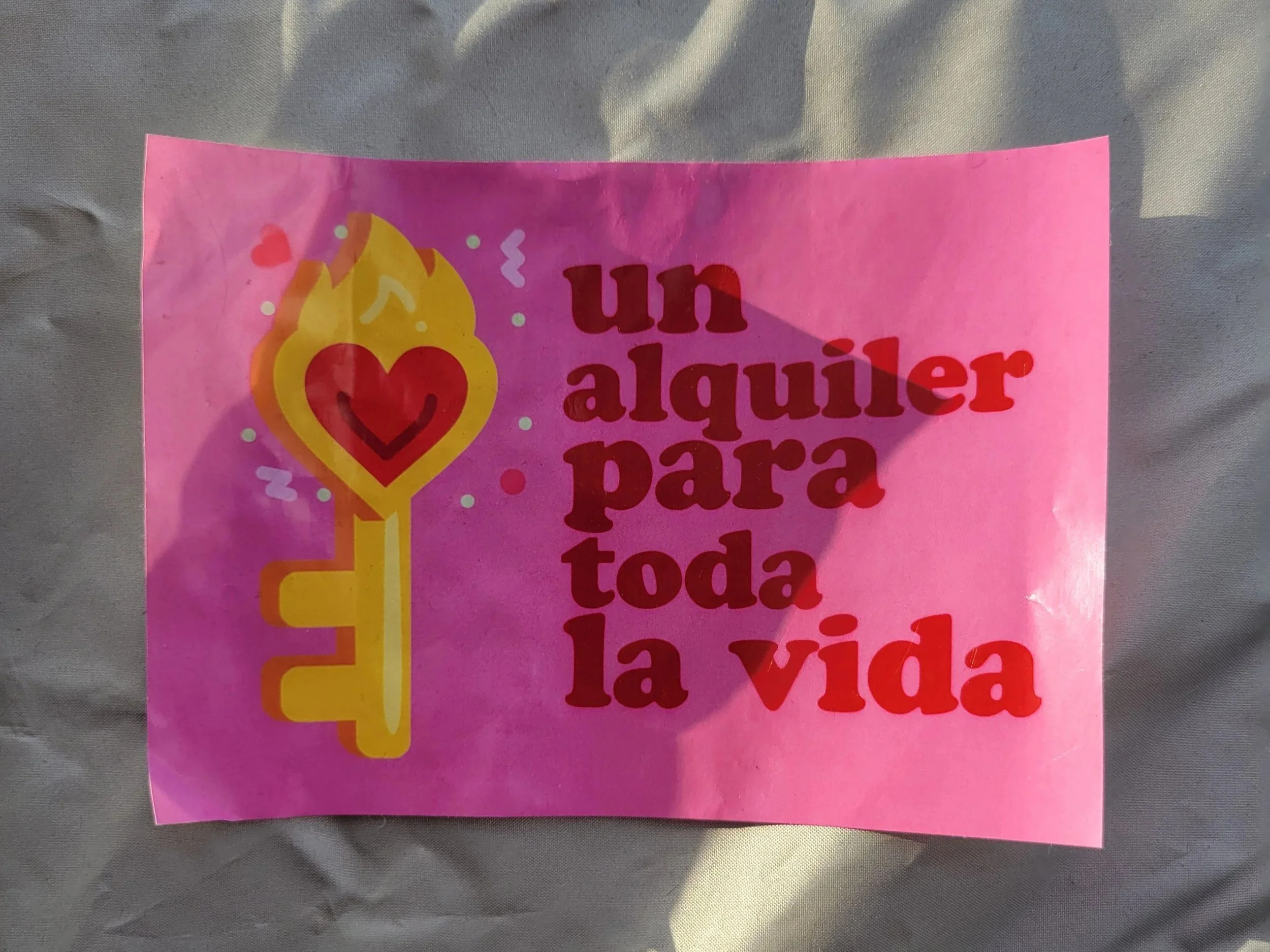
John Collins visited the tent encampment in the Puerta del Sol and found a striking array of stickers reflecting the urgency and creativity of a growing grassroots movement.
This month’s bulletin spotlights emerging conversations at the UN and elsewhere regarding Indigenous Cultural and Intellectual Property in the age of AI.
A small exchange spray painted on the streets of the Spanish capital reveals far-right efforts to stoke anti-immigrant racism - and grassroots efforts to push back.
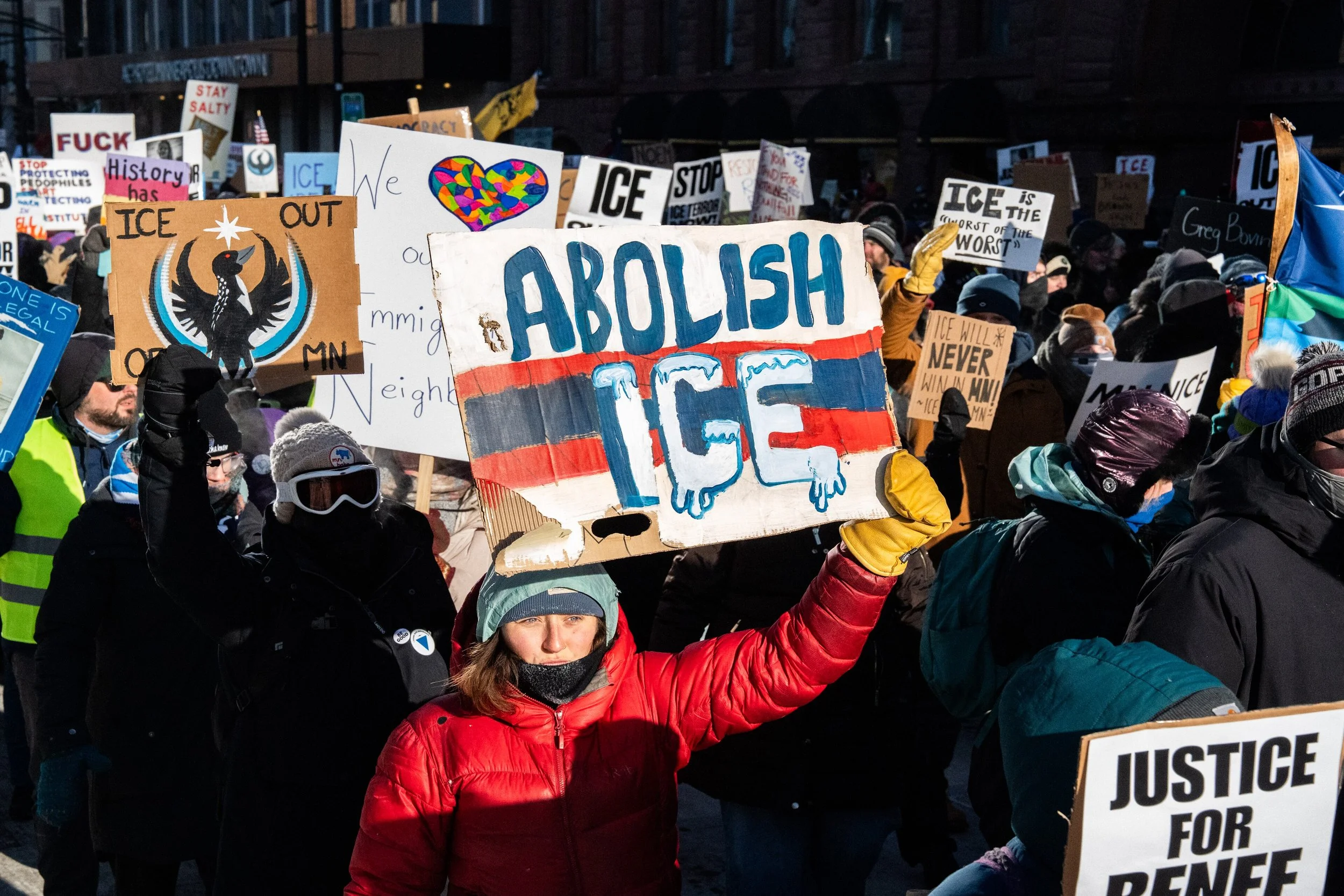
As activists rally around federal legislation to dismantle ICE, Amnesty International joins the call for abolition. Mike Ludwig reports for Truthout.
This month’s bulletin spotlights a range of issues including recognition of Indigenous territories in the Amazon region, struggles for cultural survival, and ongoing dialogue over the impact of AI and digital technologies.

In a world where autonomous weapons can choose targets on their own, data can put us all at risk, a US veteran warns.
This month’s bulletin spotlights ongoing dialogue on the evolving relationship between artificial intelligence (AI) and Indigenous Peoples.
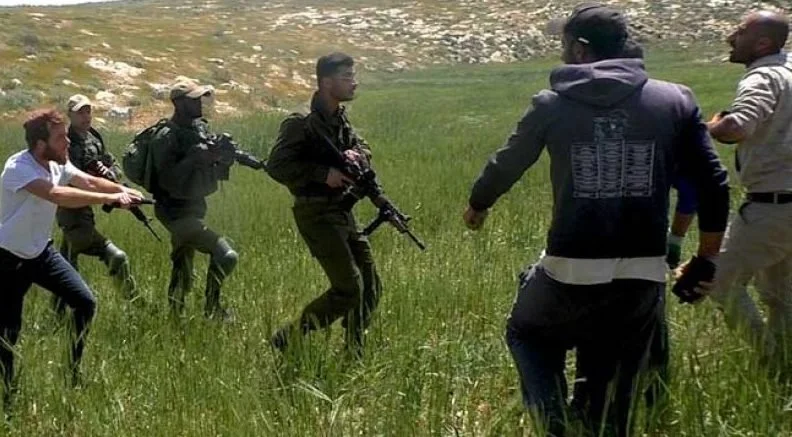
“Governments need to act urgently so that the Israeli government does not continue to act as if it has a green light to commit further atrocities,” said a researcher at Human Rights Watch.
This month’s bulletin spotlights a range of stories related to Indigenous peoples and climate change, extractivism, and the commemoration of the 250th anniversary of the United States.

Operation Metro Surge cost residents and businesses in Minneapolis nearly $700 million in economic losses, writes Ibrahim Hirsi for Truthout.
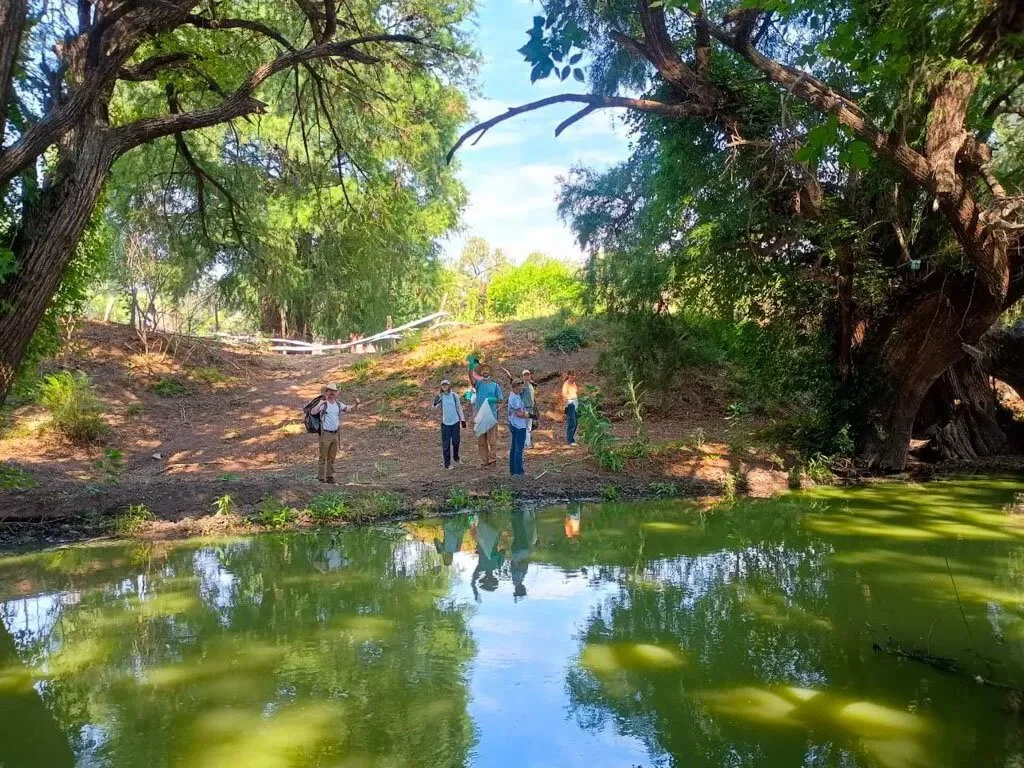
Alexandra Rauscher explores how Vive Río San Juan and Tequisquiapan Verde are working against the current of constant economic growth, creating a grassroots coalition to protect the river that brings life to their community.
This month’s bulletin spotlights ongoing threats to Indigenous communities across the Amazon Basin as well as ongoing dialogue about the UN Permanent Forum on Indigenous Issues.
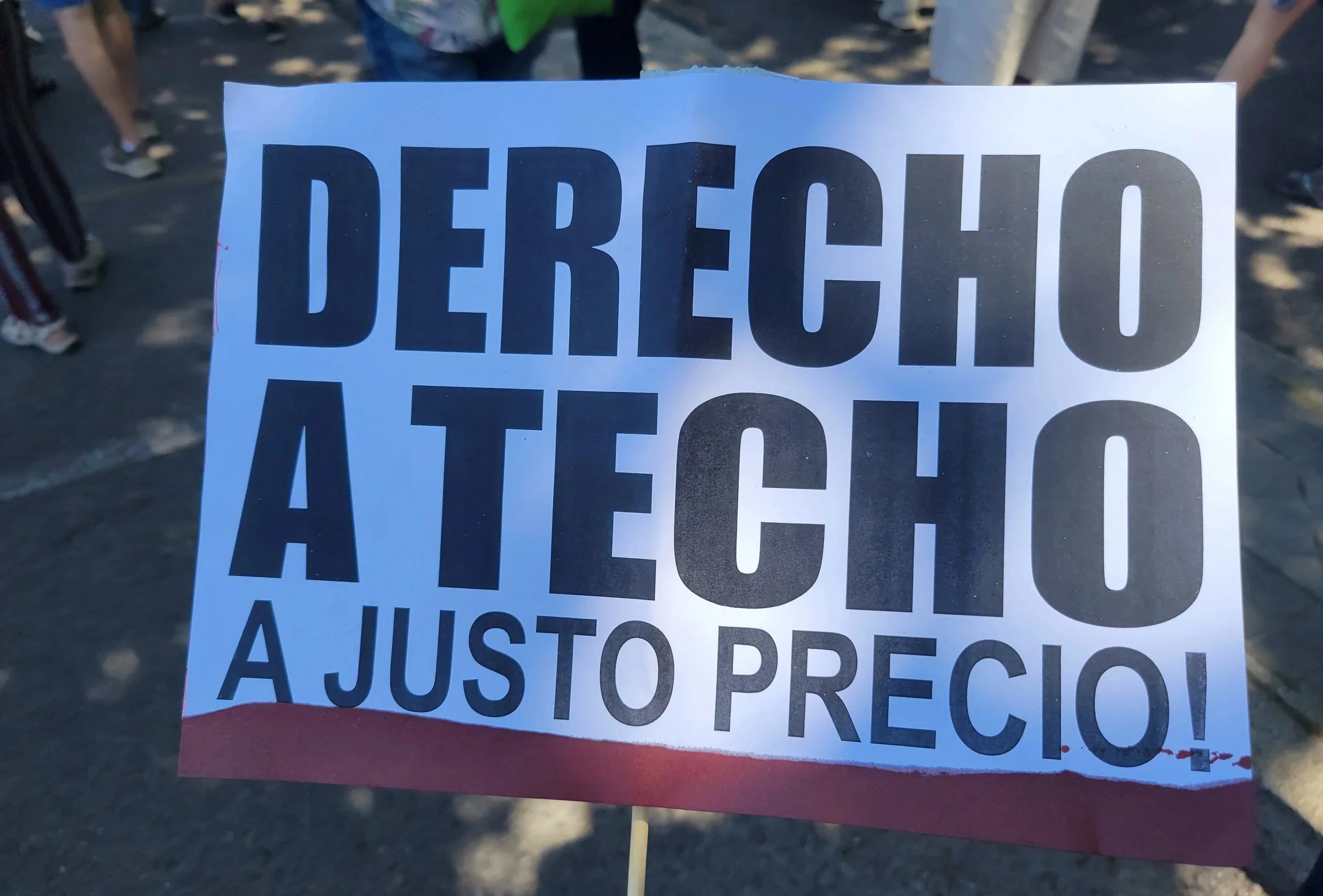
As leftist parties in Spain work to build a unified strategy in advance of national elections in 2027, John Collins writes that the country’s most pressing issue - a lack of affordable housing - is poised to play a key role.
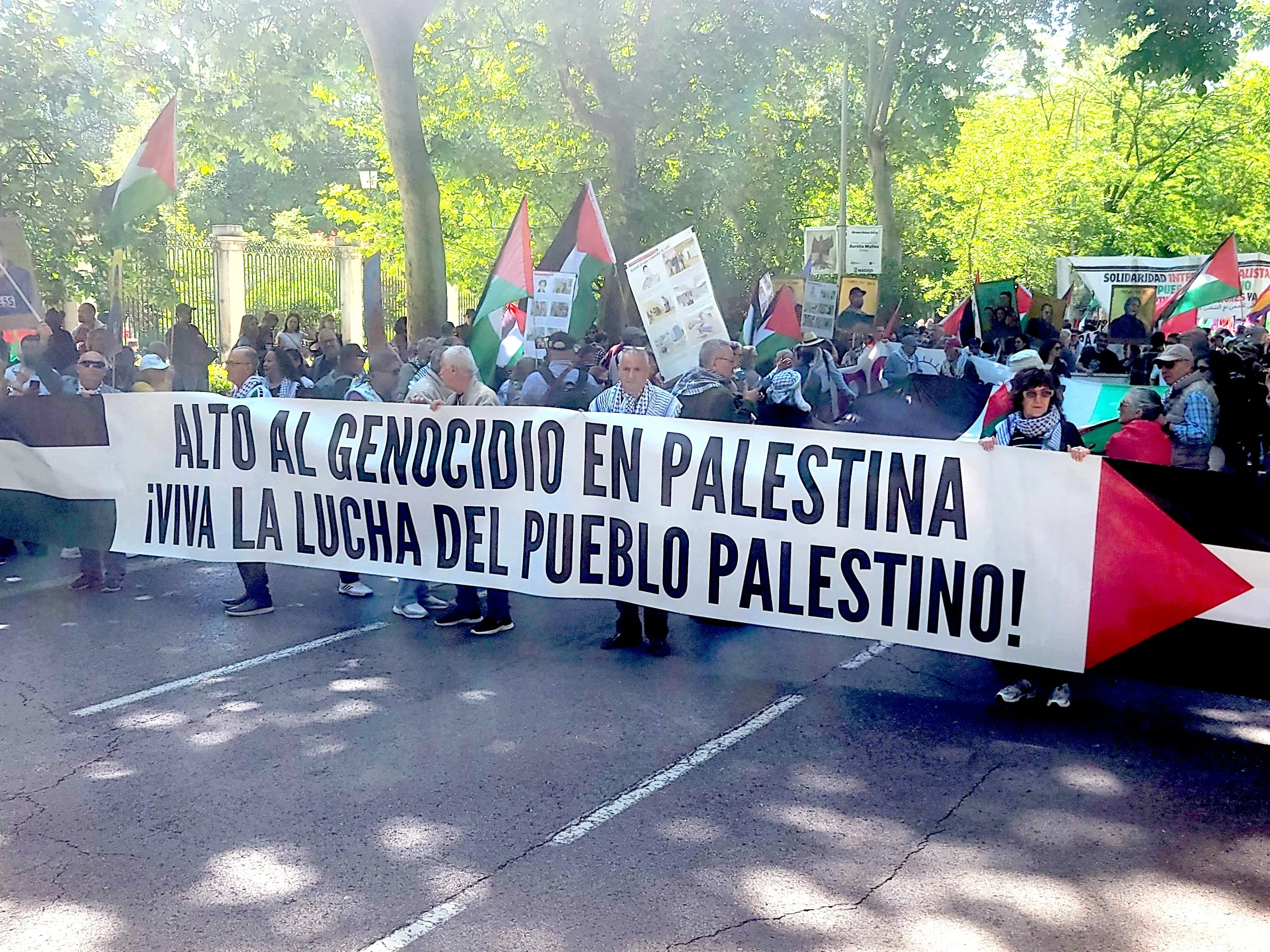
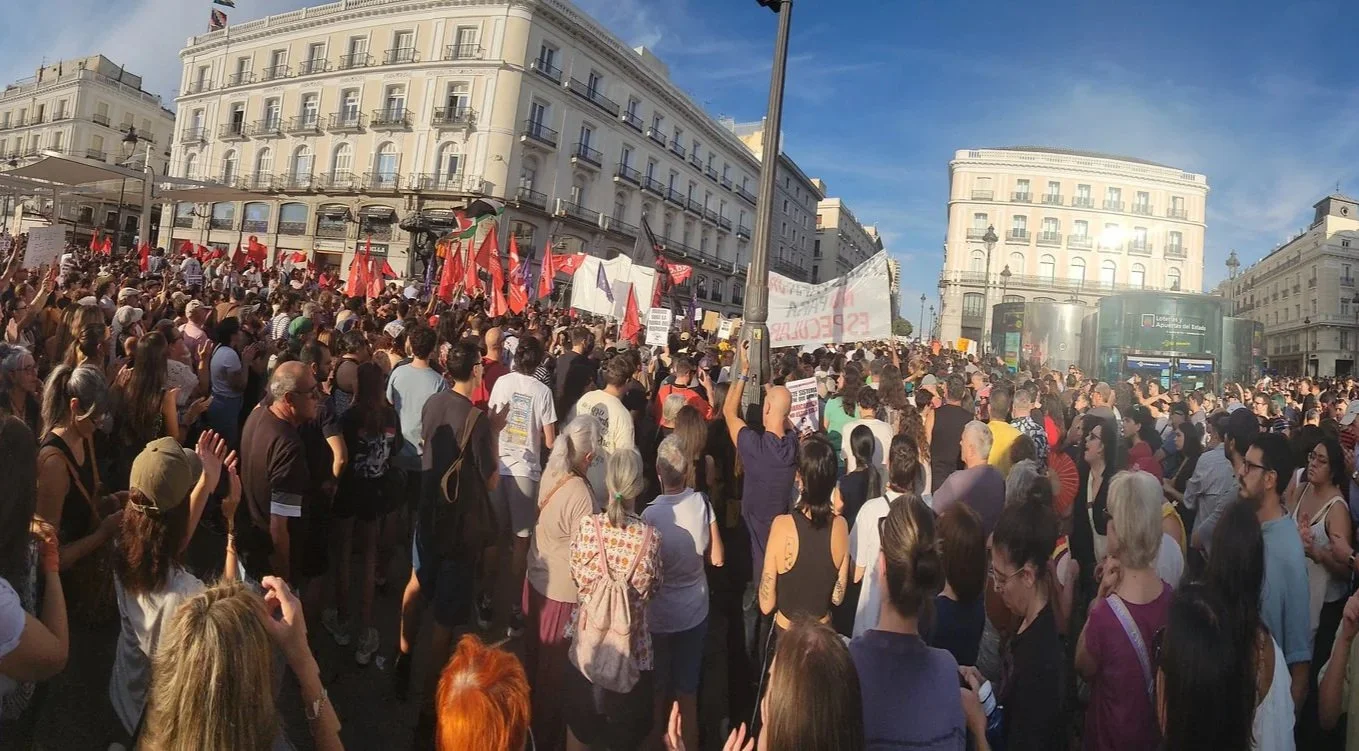
On Sunday, May 17, residents of all ages took to the streets of the Spanish capital, Madrid, to march in solidarity with the Palestinian people in their struggle against colonial domination and violence.

Government agency inquires into AI tool using journalistic content with no compensation for media companies. Fernanda Canofre reports for Global Voices.
This month’s bulletin spotlights key developments at the 2026 session of the UN Permanent Forum on Indigenous Issues as well as stories on AI and data centers, land rights, and Indigenous knowledge.
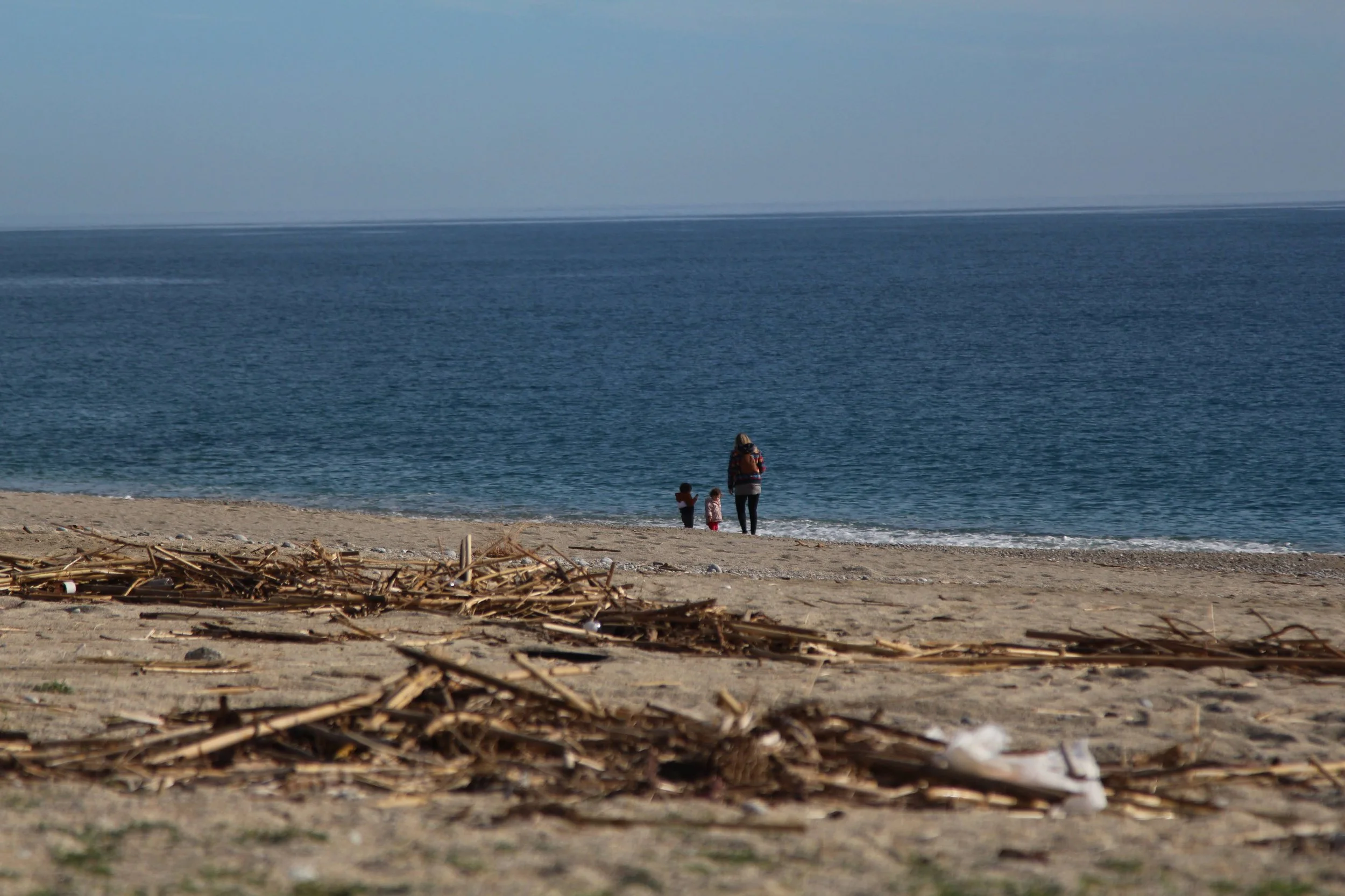
Carmen Critelli reports that the recent spike in deaths of people on the move off the southwestern coast of Italy exposes the intersection of climate instability, migration routes across the Mediterranean, and the policies that govern Europe’s borders.
This month’s bulletin spotlights ongoing struggles over water and land rights as well as important new initiatives to promote and expand Indigenous reporting projects.
“When you interview people, you have to tell them, you know, the job is $18.60 per hour, but I can't guarantee you'll get paid on time, even though I'll do my best to advocate for you,” says Renee Christian. “How are you going to get anybody to work?”

In northern Mexico, a powerful dialogue among researchers and local brickmakers points the way toward a transition that can improve public health and address a “generational injustice.”
This month’s bulletin spotlights stories revealing how unevenly Indigenous rights, sovereignty, and voices are respected in both national and transnational contexts.
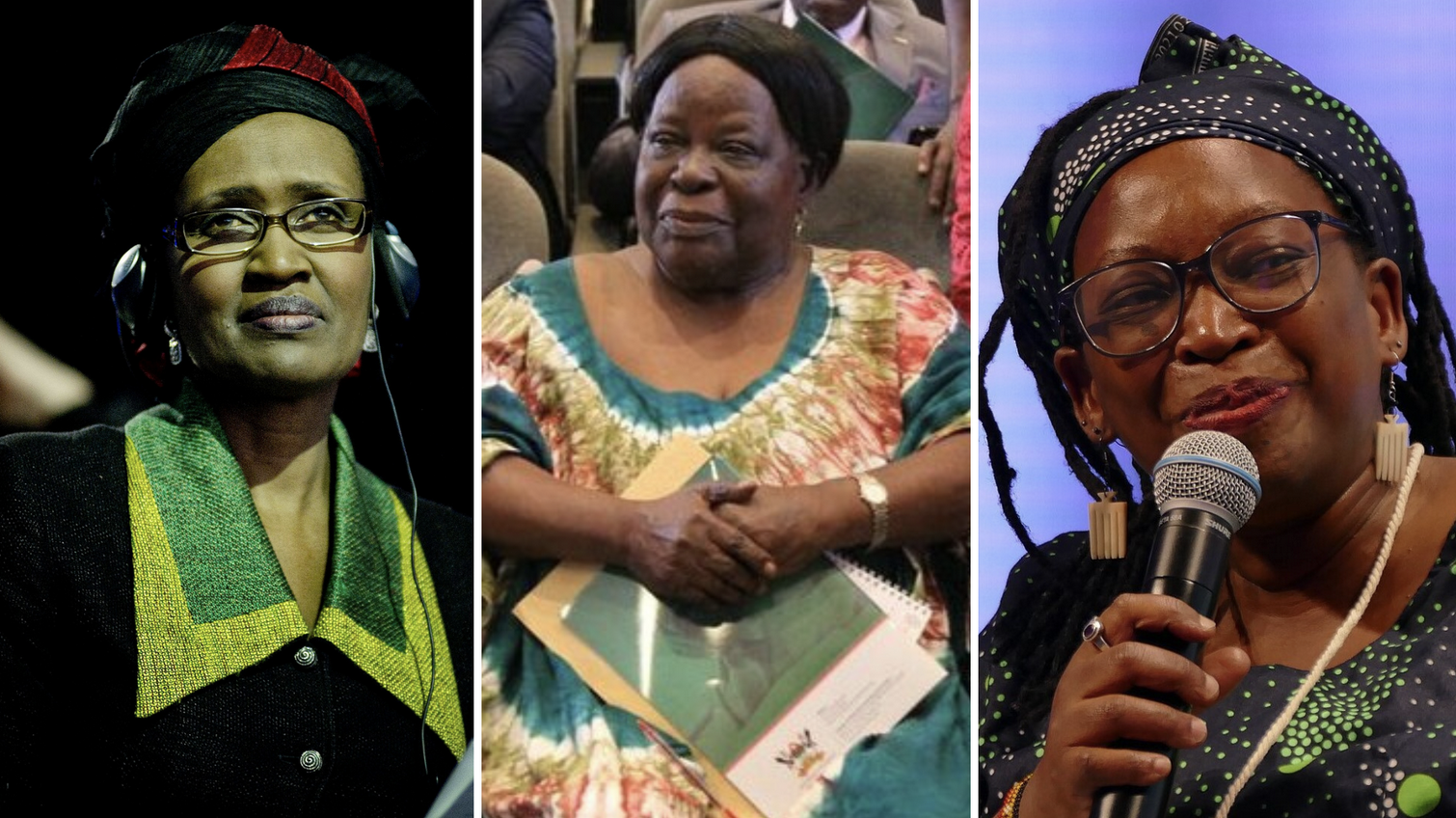
AI-generated images, gendered disinformation, and harmful narratives were used to target Ugandan women politicians.
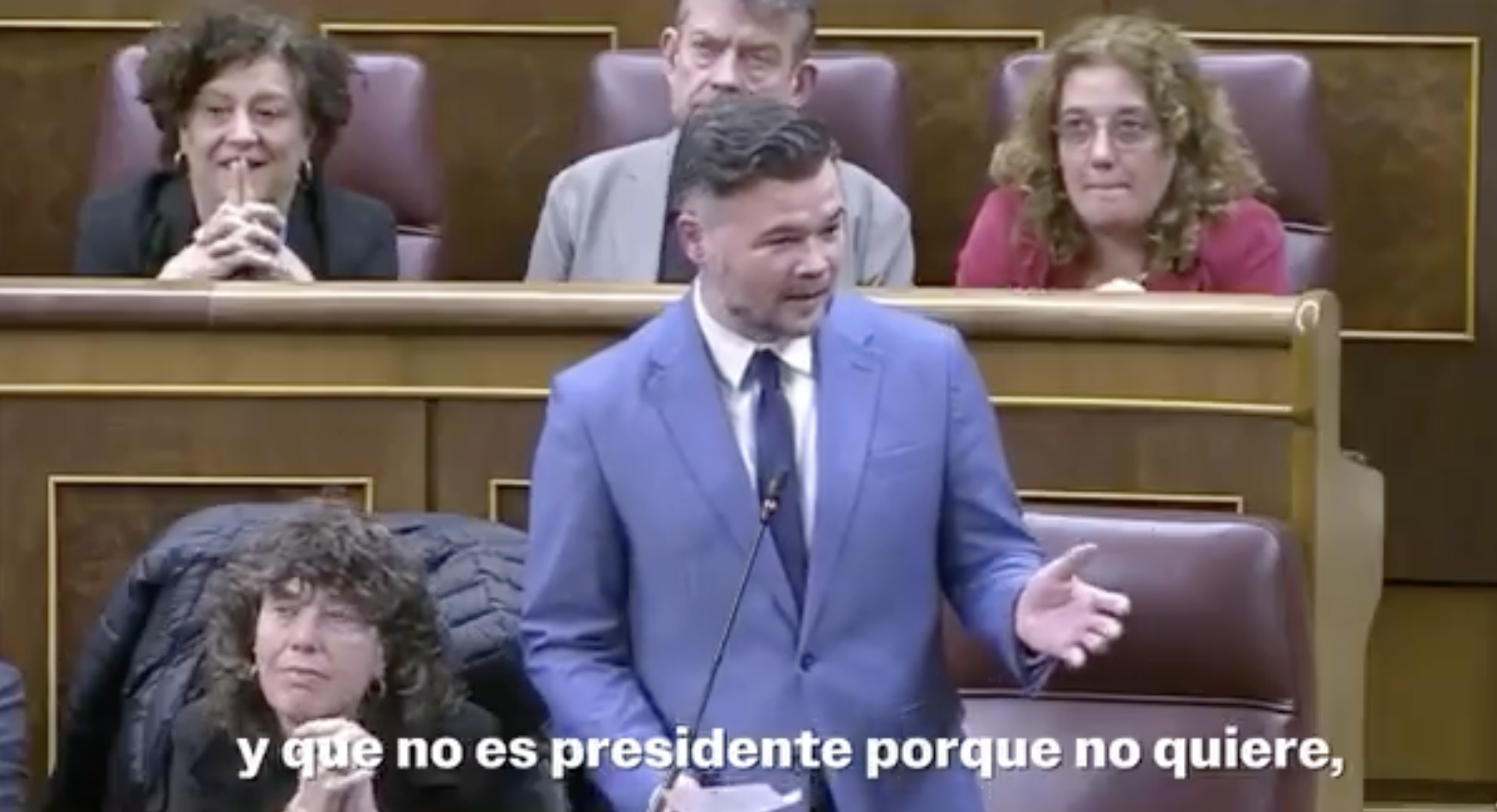
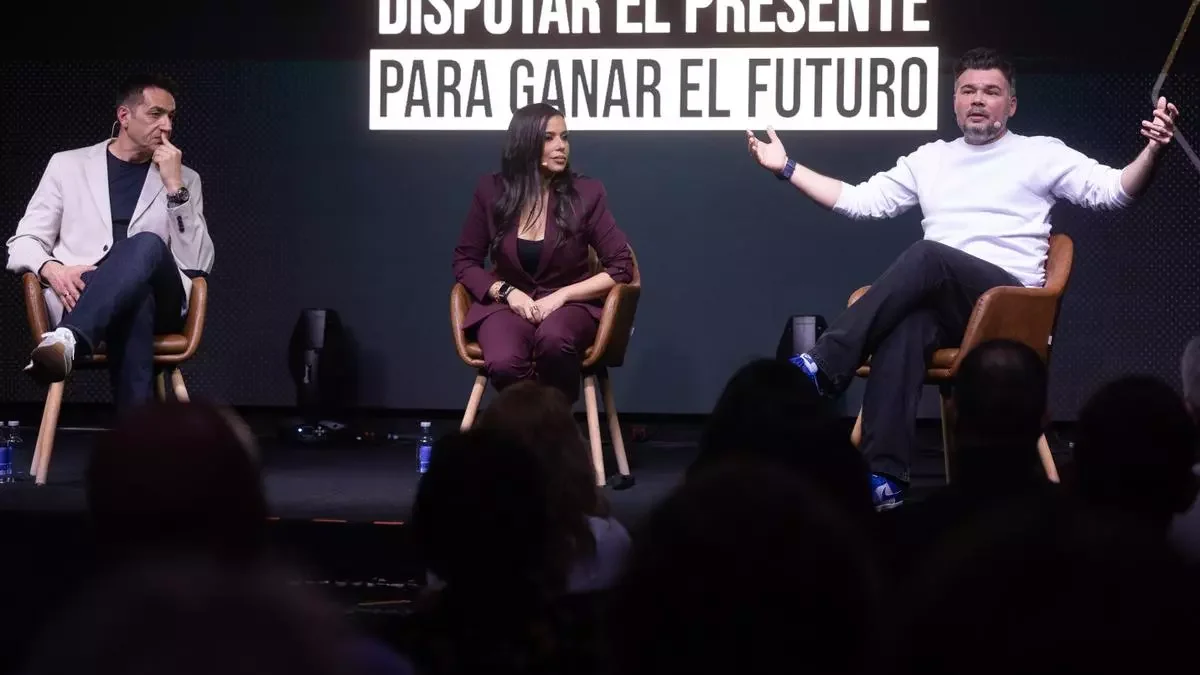
Gabriel Rufián’s surprising call for new thinking among Spain’s leftist parties seeks to change the conversation and spark a unified struggle against the far right. Will it work?

Spearheaded by the Community Action Organization, the program seeks to address chronic poverty in the city - but as Steve Peraza writes, the prevalence of precarious, low-wage jobs constitutes a formidable barrier.
Theia Chatelle writes for Truthout: Minnesota Gov. Tim Walz upheld an eviction moratorium during the pandemic. Why won’t he issue one now?
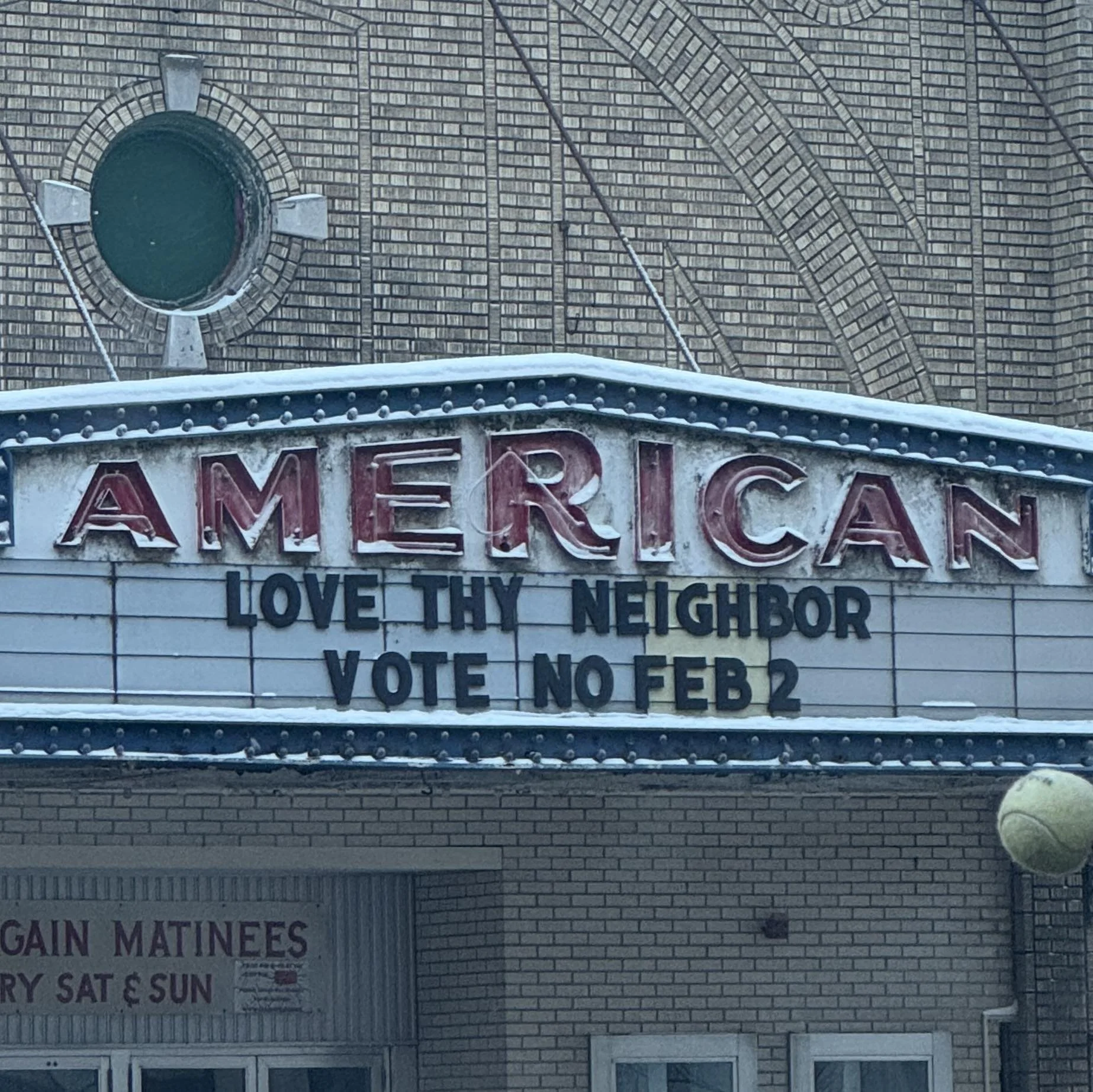
Despite a more than 10-to-1 ratio of speakers opposing the agreement vs. those supporting, the board’s Republican majority gave the green light to collaboration with ICE.
This month’s round-up highlights ongoing threats to Indigenous lives and sovereignty from Ghana and Colombia to the Philippines and Greenland.
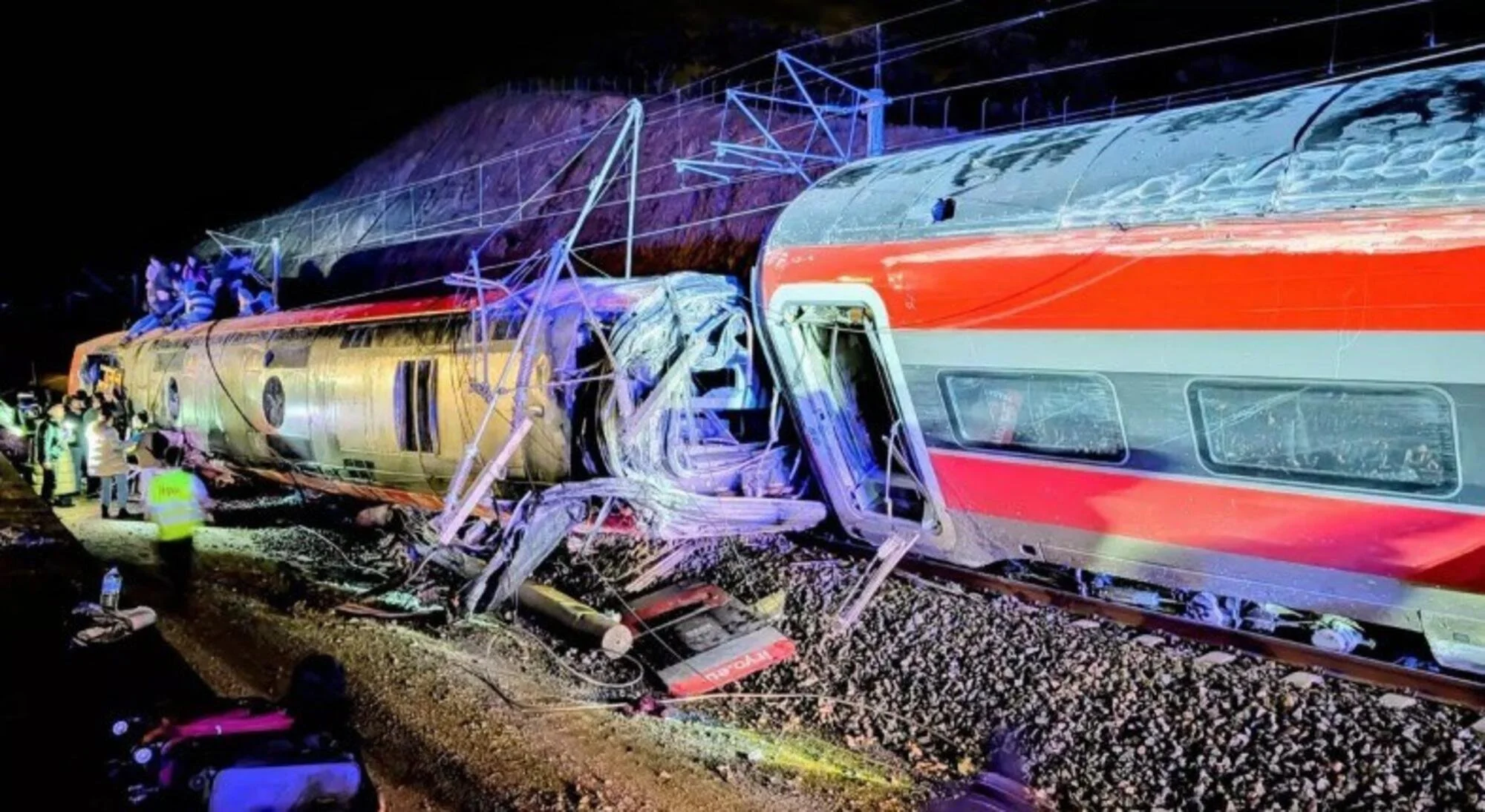
The far right is on the march in public discourse, but media watchdogs and grassroots solidarity provide important counterweights.

“They have important stories to tell. They are extremely passionate. And they don’t do this for money – what they seek are rights for their communities.”
Weave News Content Map
Click/tap on a country (in green) or city (pins) to see published Weave News content from that place, or click here to see full screen.
What Are You Weaving?
Ordinary people can play important roles in the creation of a more democratic media system and a more just world by becoming actively involved in the production, circulation, and analysis of news and information.
Latest Analysis
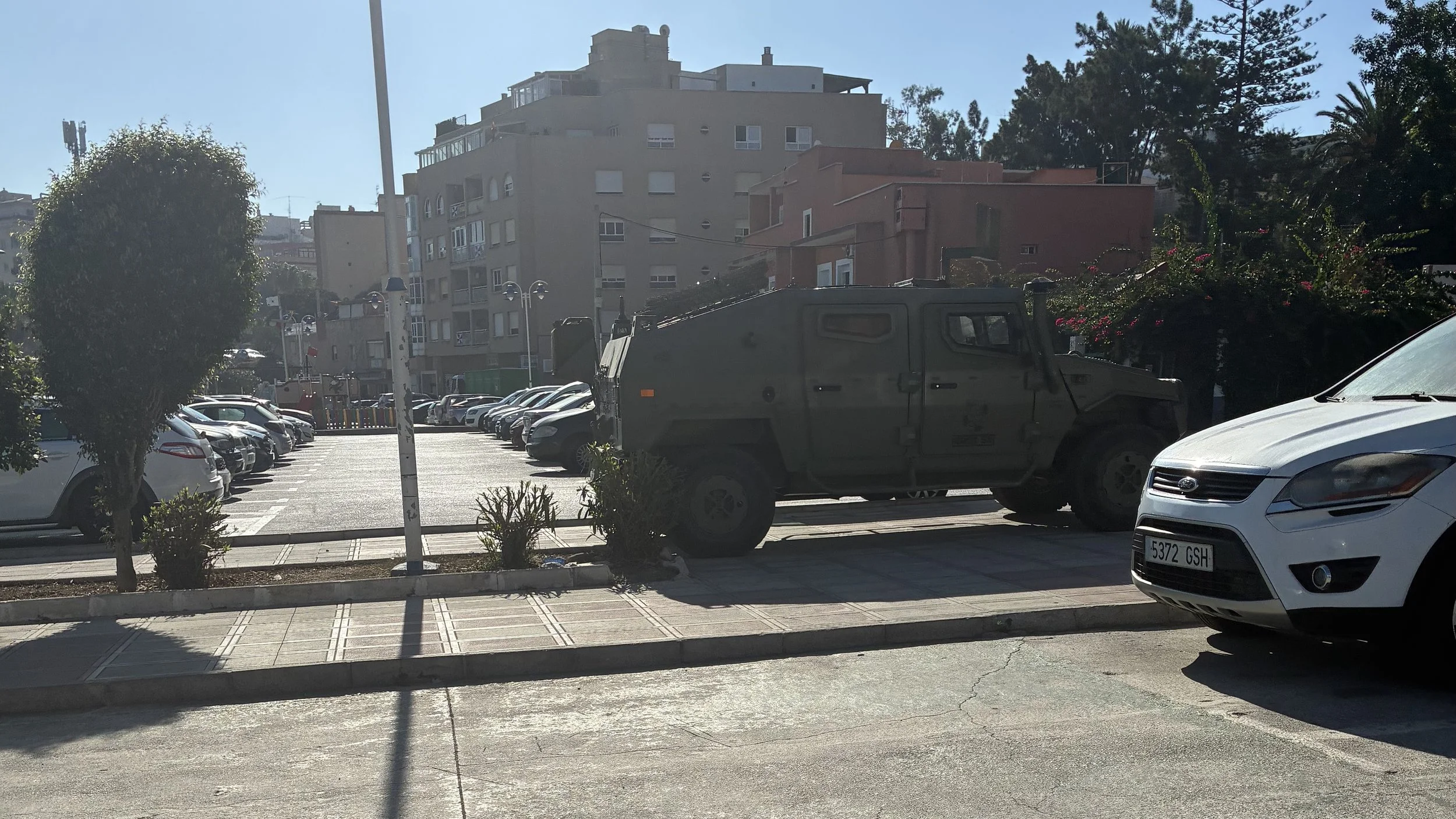
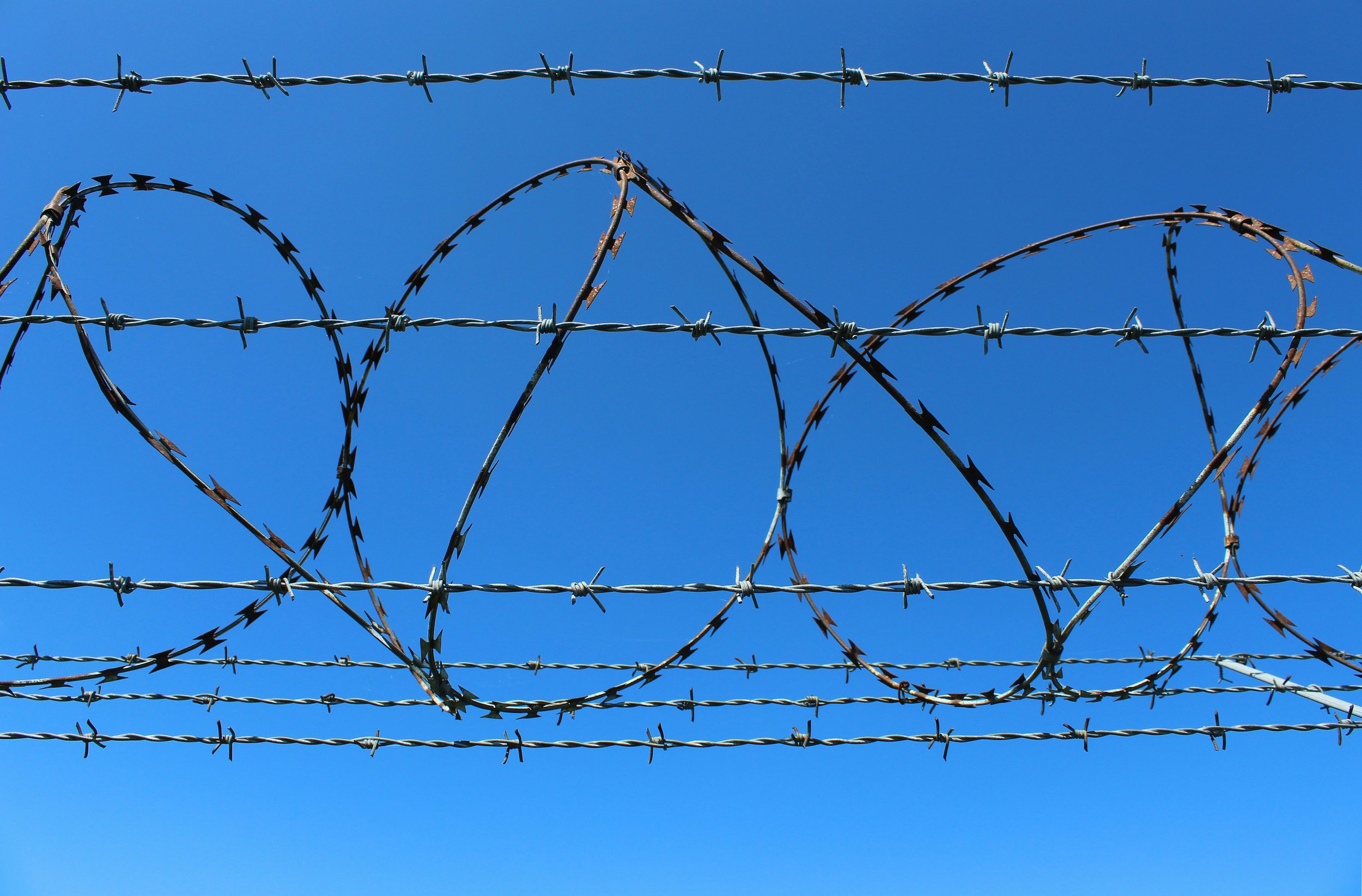
Who and what gets to move through border spaces, and how does the business of securing Europe’s borders affect us all? Derek Sherrange spent three days moving between two countries and two continents to dig into these questions.
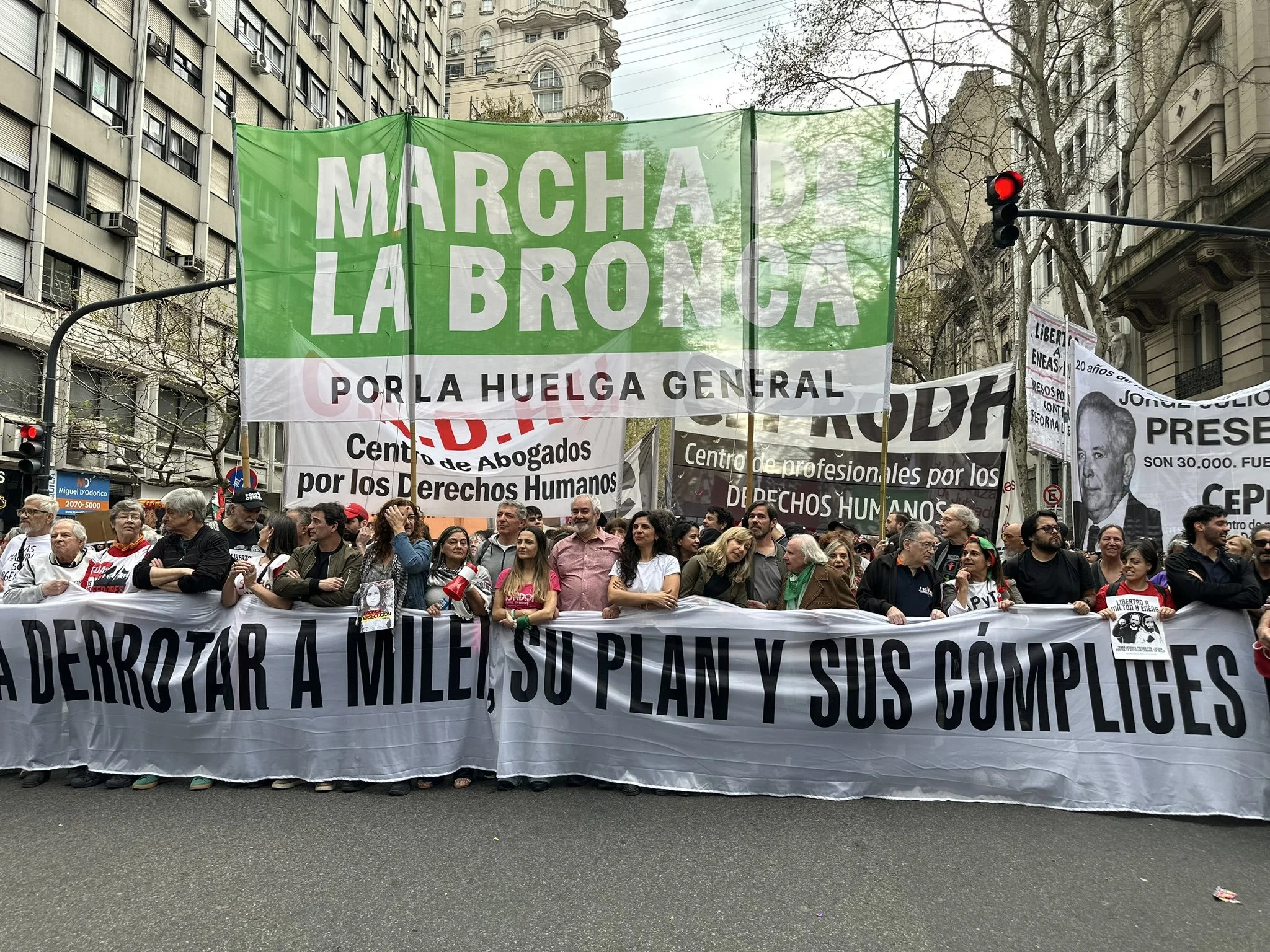
Two words, Anger and Hope, chosen for two mobilizations held on the same day, against the same government, say a great deal about a tension running through the Argentine left. What should be done with the dissatisfaction that exists now? Marcela Gottschald reports from Buenos Aires.
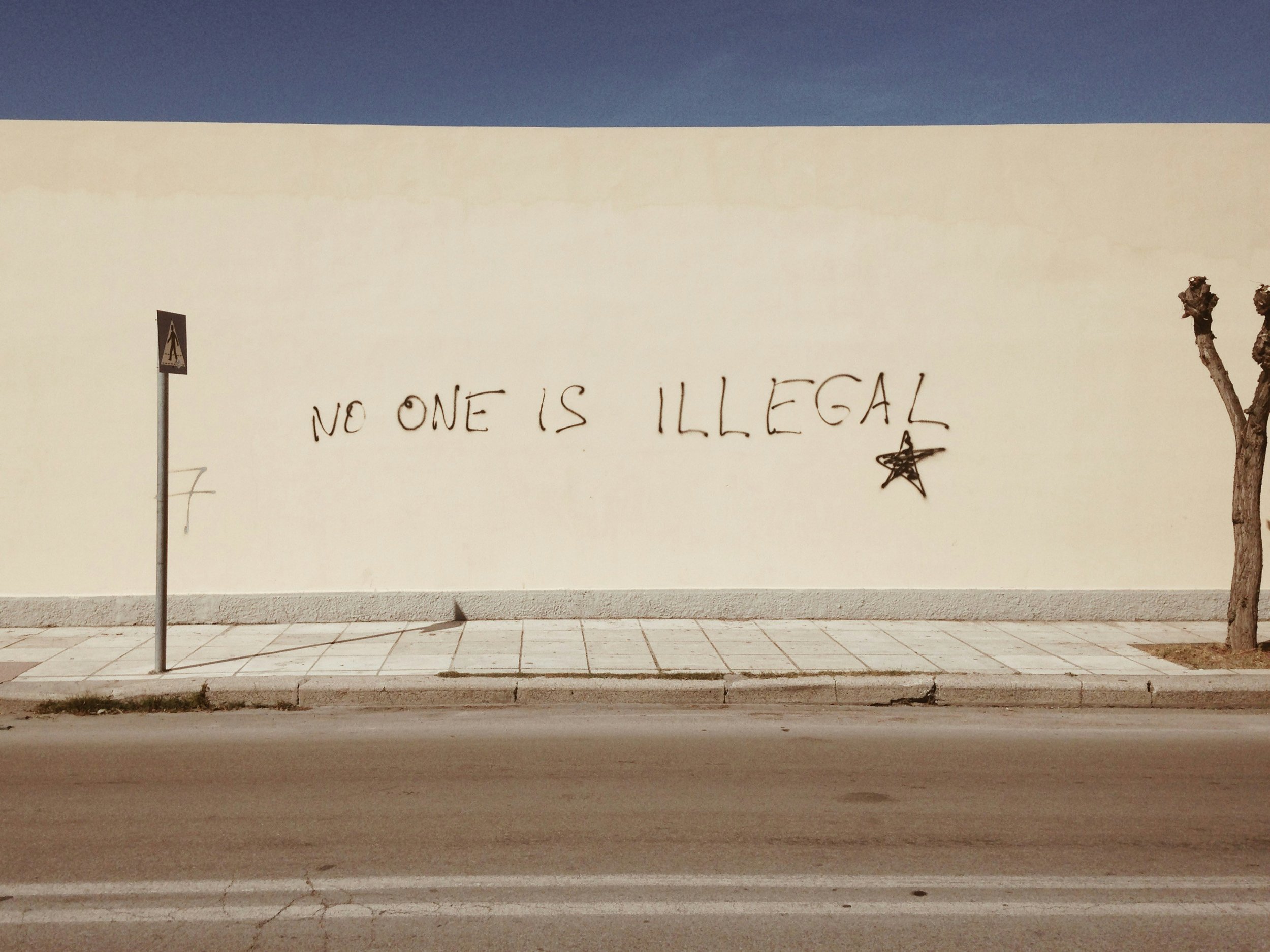
Listening to the voices of the people who are at the center of global migration flows, says Collins, is necessary in order to get to the most urgent question: why do we allow this system of global apartheid to continue?
Cities and communities cannot wait for Europe to resolve its endless arguments about migration, deterrence and responsibility sharing, writes Dr. Myriam Cherti for openDemocracy.
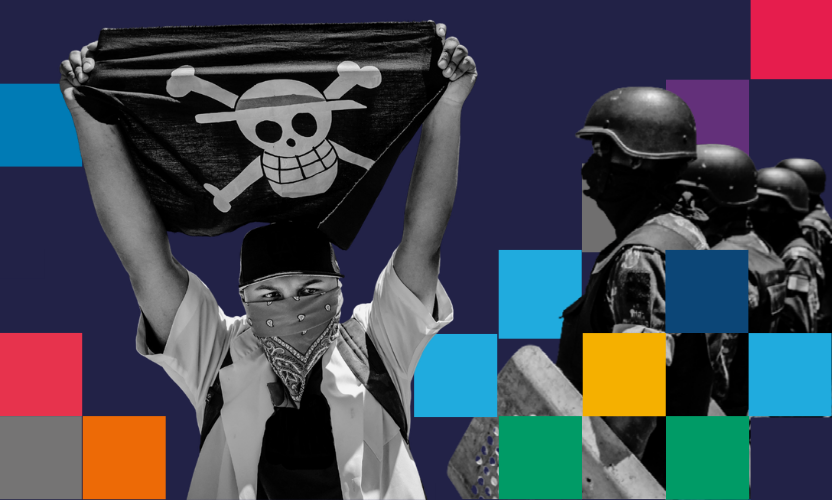
In the third and final installment of her mini-series, Defending the Defenders: The Global Rise of Legalized Repression, Gaia Guatri examines how civil society actors around the world are adapting to the changing structures of repression around them.
Steve Peraza examines ongoing tensions driven by the entry of private equity into the NY state home care system - and opportunities for care workers and consumers to make common cause.
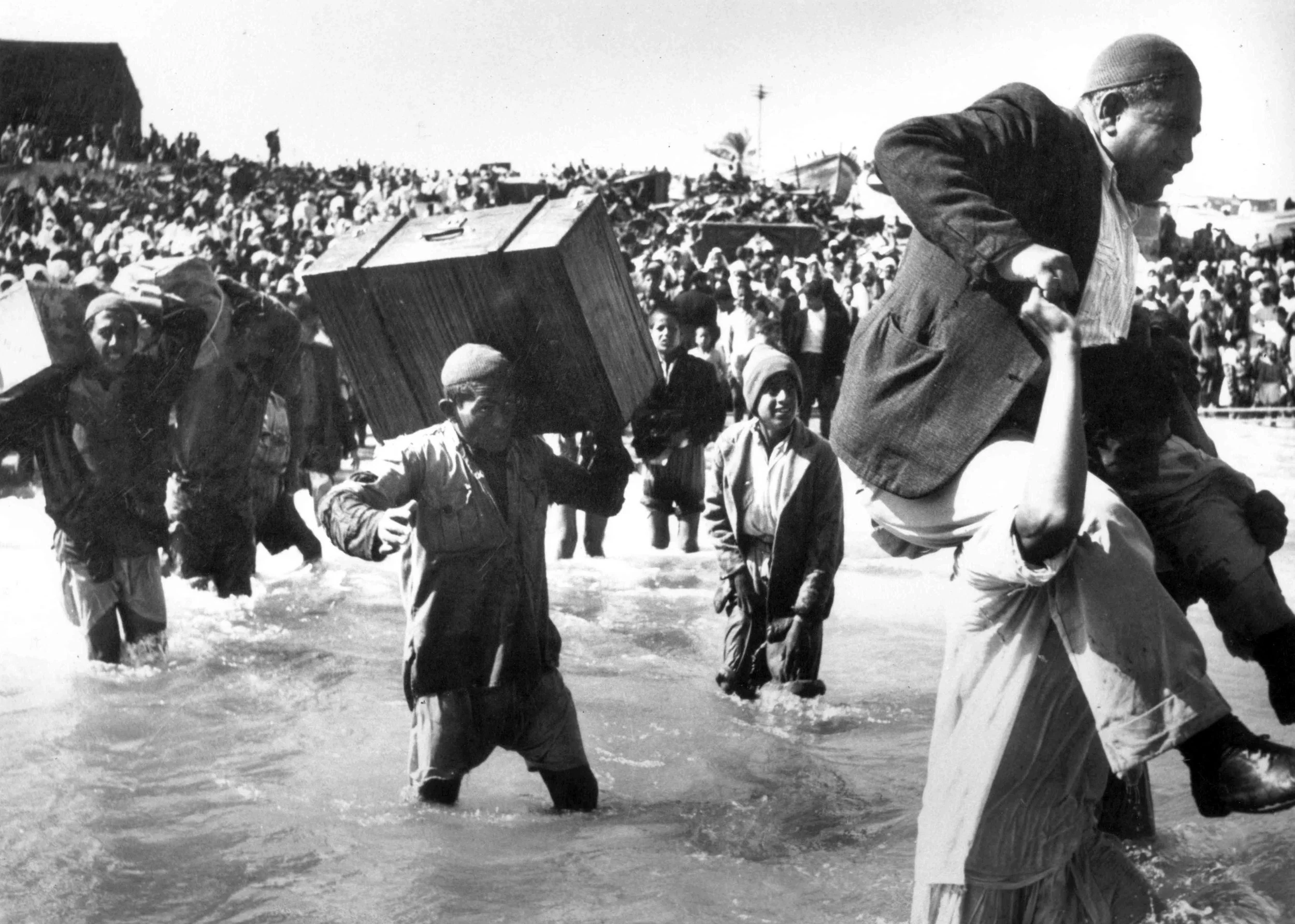
Who says journalists must be neutral in a cynically constructed “debate” that serves the interest of a colonial power? A question from 2011 continues to resonate today.
In the second installment of her mini-series, Defending the Defenders: The Global Rise of Legalized Repression, Gaia Guatri explores how states and other powerful actors are increasingly constraining the work of journalism through law, violence, and intimidation.
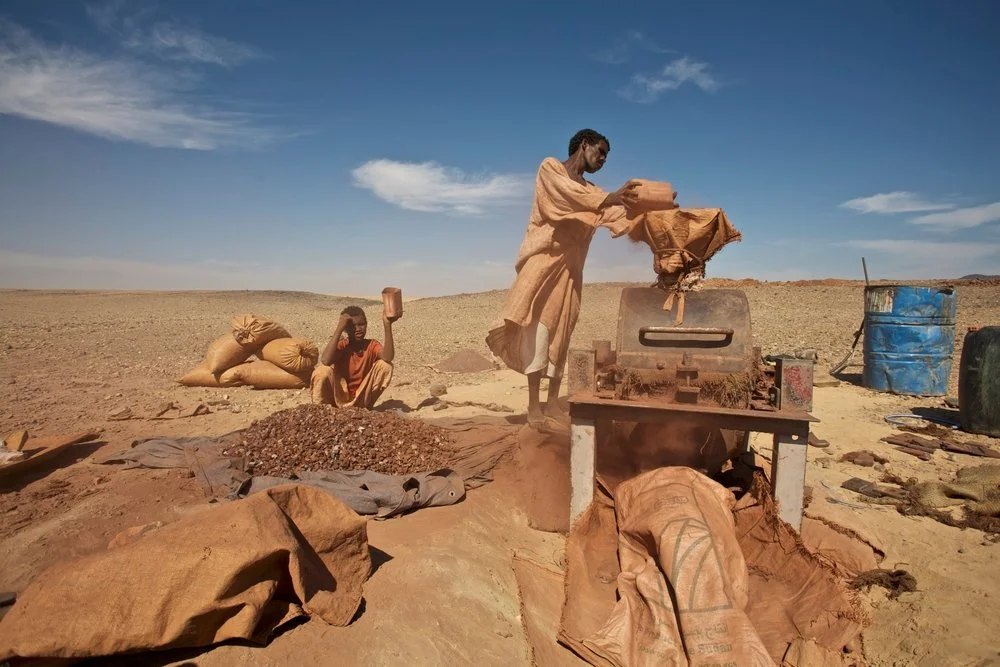
Mathani Ahmed writes for the Global Investigative Journalism Network (GIJN): In fragile, conflict-ridden states like Sudan, environmental harm is a byproduct of the economic strategies. When companies or state-linked entities avoid the high costs of treating industrial pollution or waste, their saved money eventually acts as an unreported subsidy that journalists can trace to understand why pollution is permitted to continue.
In the first installment of her mini-series, Defending the Defenders: The Global Rise of Legalized Repression, Gaia Guatri examines how repression is evolving to encompass lawfare, judicial harassment, detention, and other forms of “legal containment.”
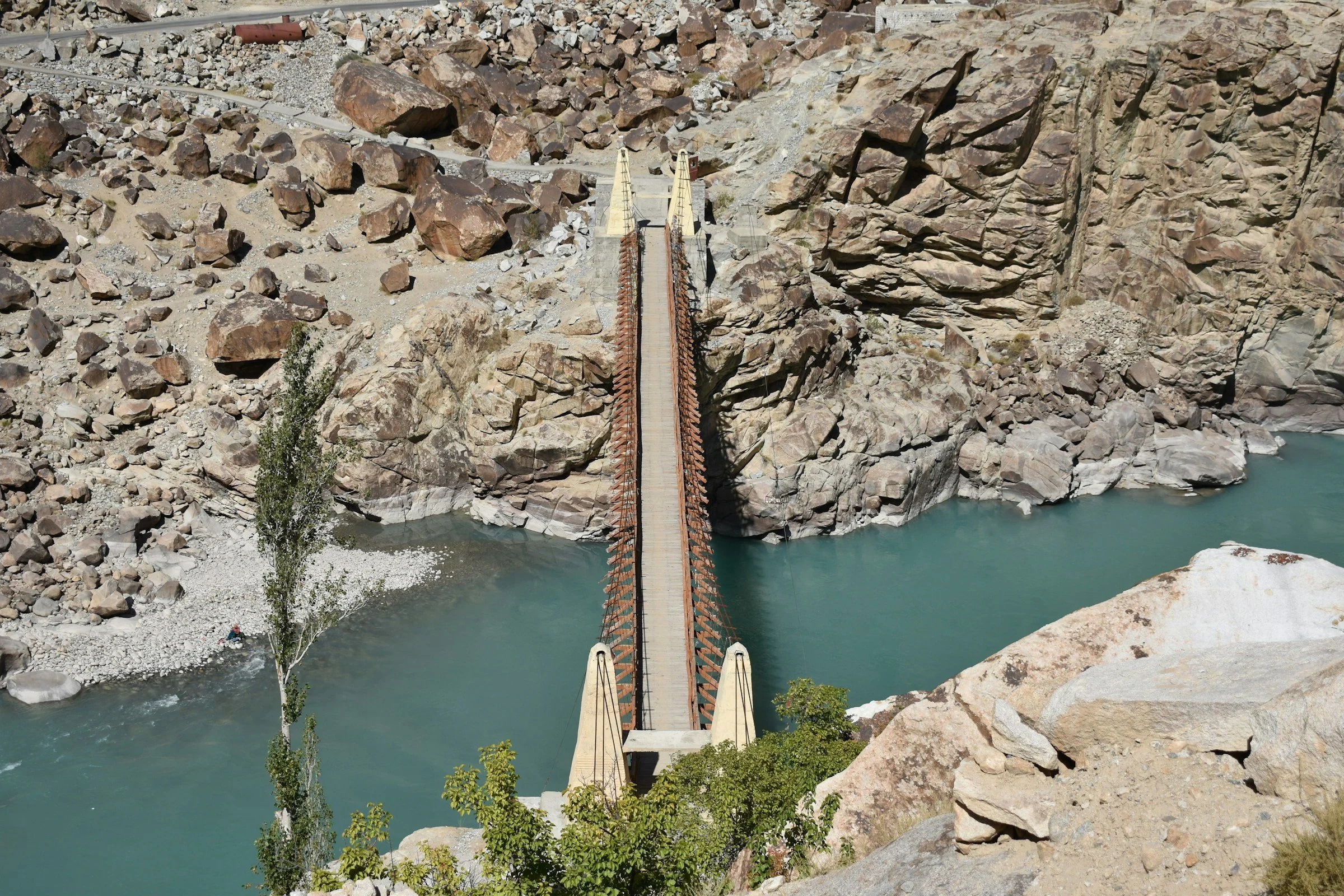
In January 2026, a flagship report by UN researchers disclosed that the world has entered a new era of ‘water bankruptcy’. Mariam Waqar Khattak analyzes the implications.
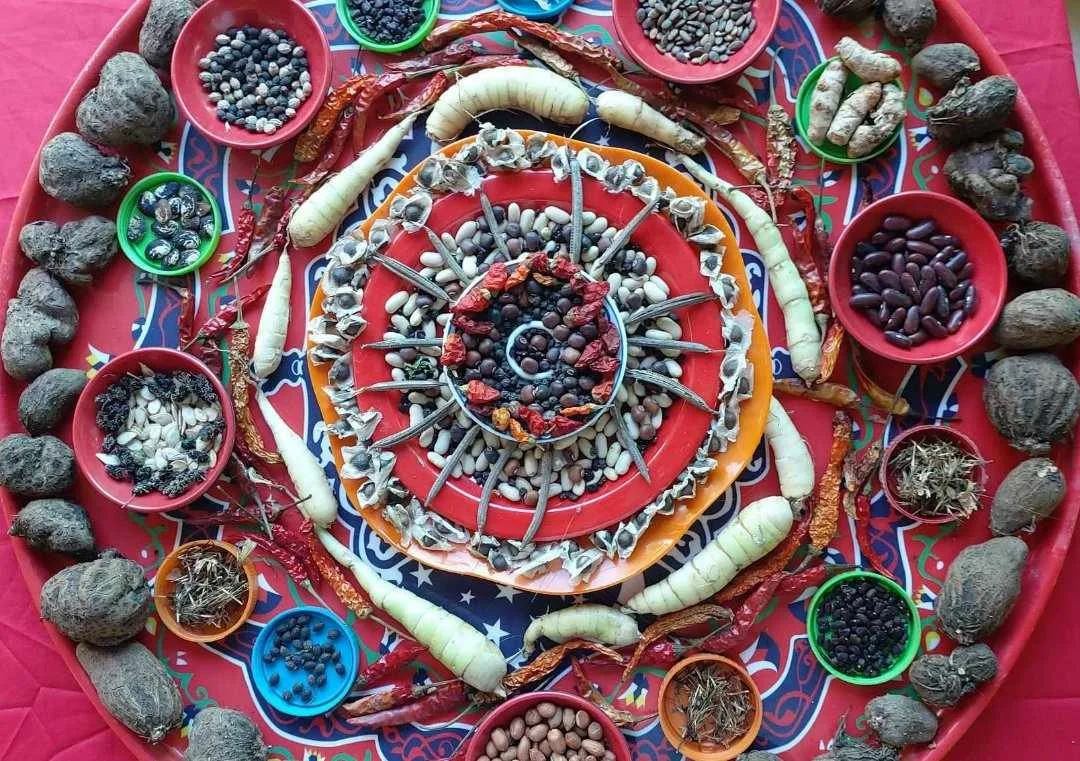
The framework of food sovereignty remains a powerful alternative to an agribusiness food system that is fueling the climate crisis, writes Adam Termote.

John Collins surveys some of the key perspectives within an ongoing dialogue about the present and future of Spain’s perpetually fragmented Left. Is a change on the horizon?

The “newspaper of record’ misses a golden opportunity to explain the material connections between violence “there” and violence “here.”

The common message of “we are all to blame, we all have to do our part” serves to shield the global elite from responsibility for the current crisis, writes Fernando Luengo.
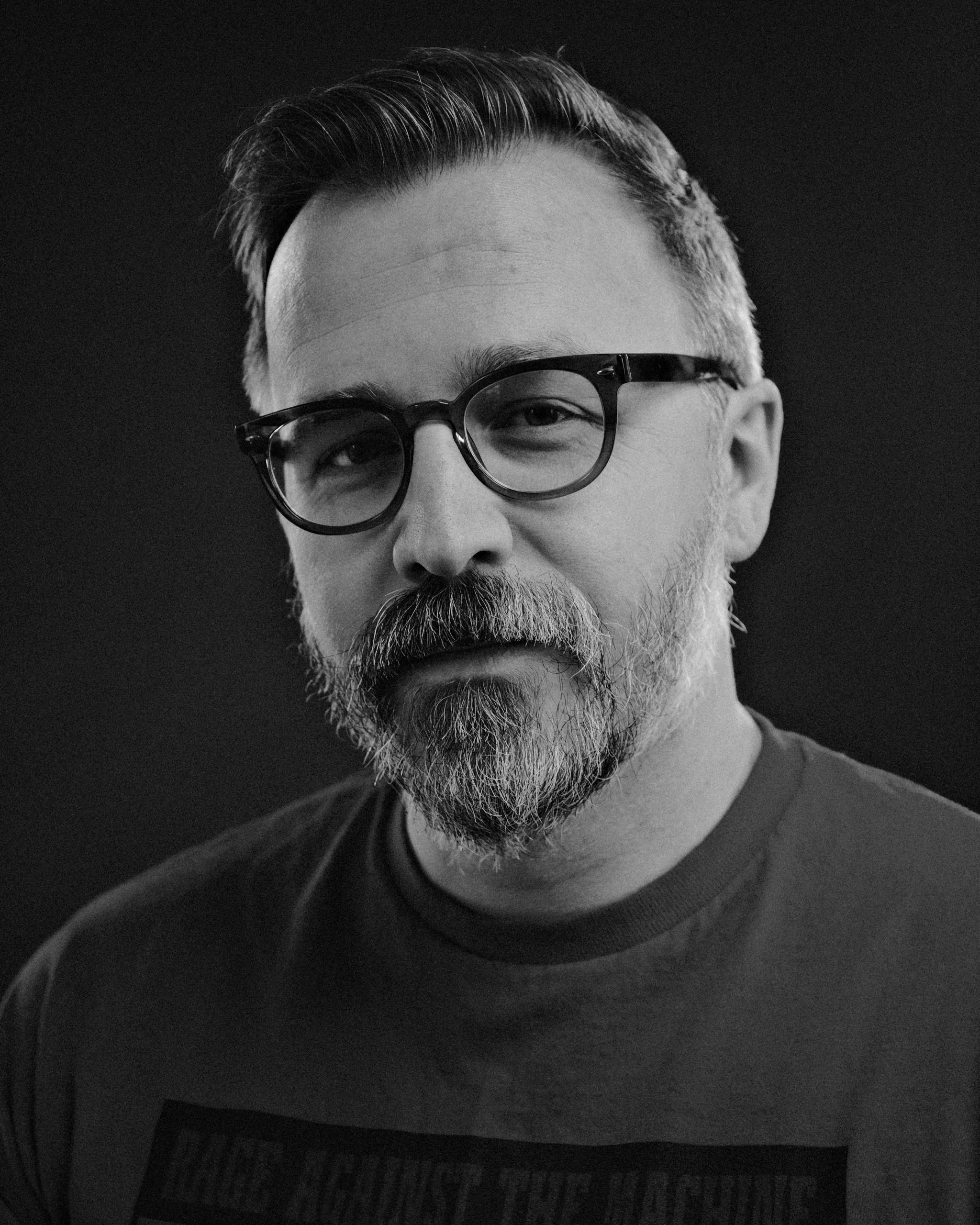
In a Q&A recently conducted on Facebook, the widely cited author of We Created Chávez argues that the US attack “was never about democracy or drugs” and that “revolution is a process - always.”

On the latest phase in the weaponization of social media and LLMs.

How low-income women profit in the Urban Kilimanjaro region
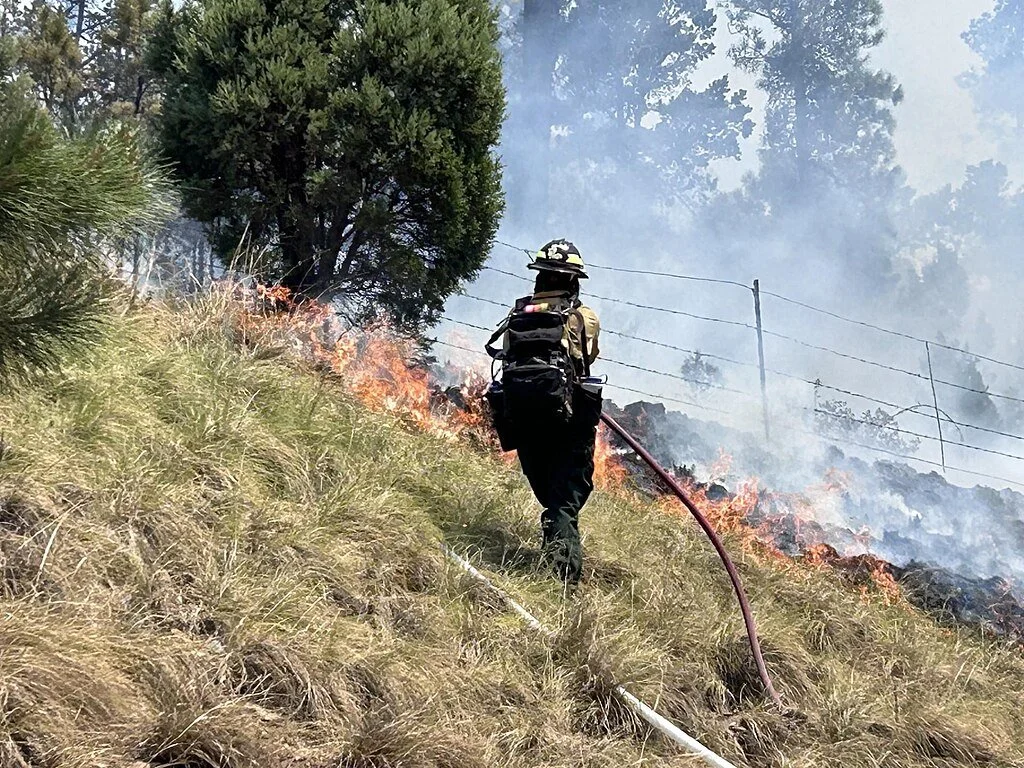
Denise Brennan writes for openDemocracy

What kind of future is being constructed in our name? And who profits from its manufactured inevitability?
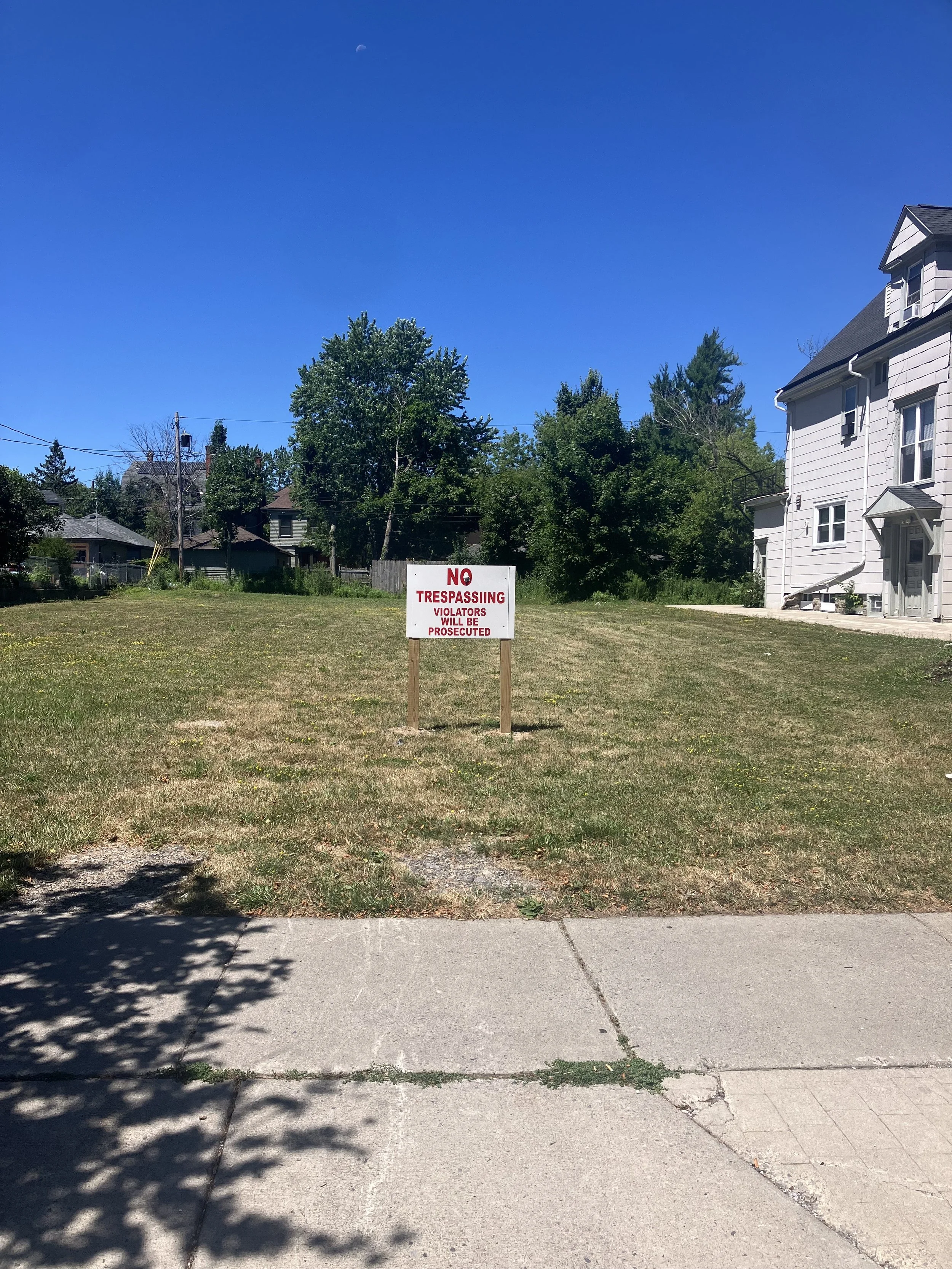
In Buffalo, housing is public health, writes Steve Peraza.
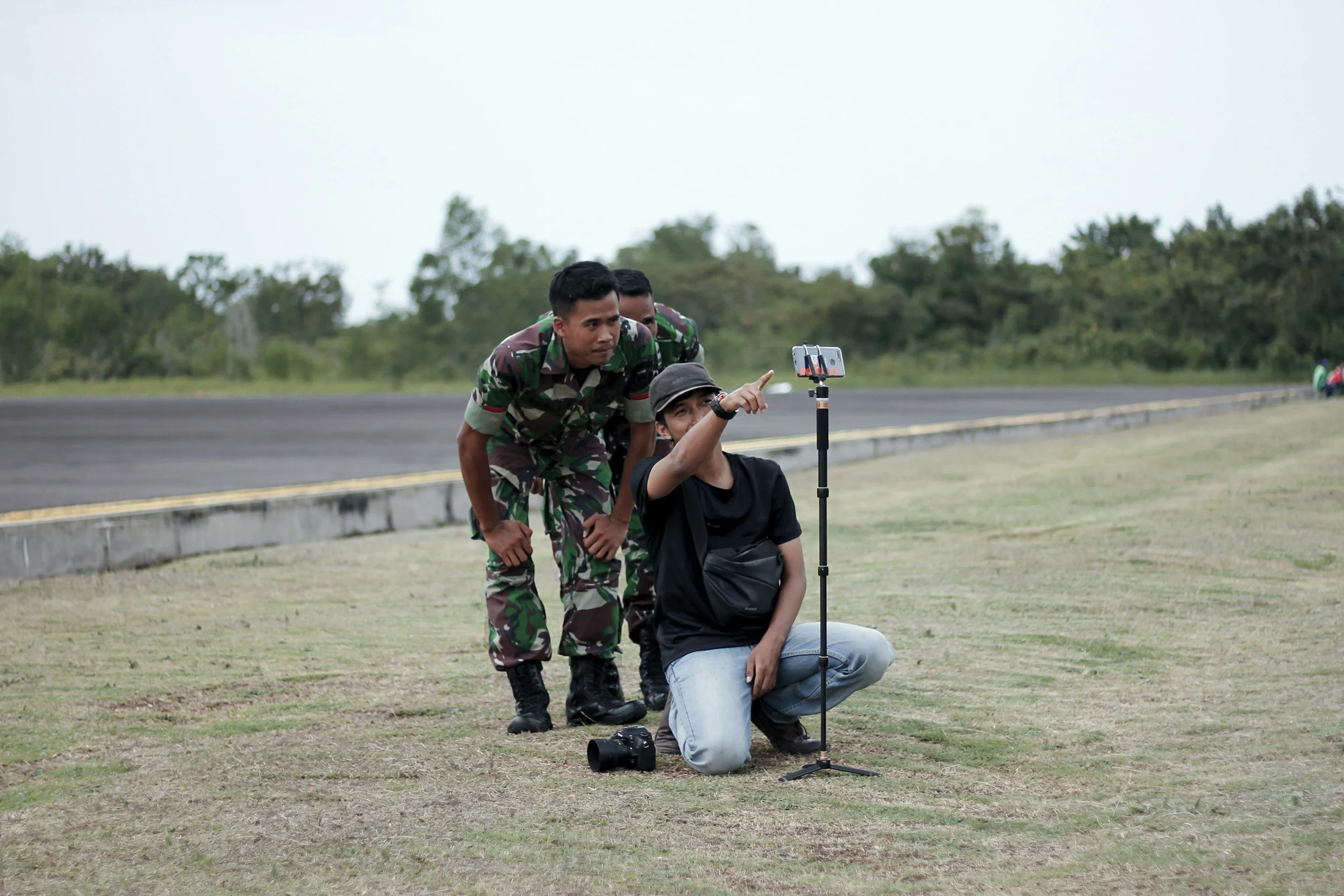
Nolan Higdon and Sydney Sullivan write for Project Censored

Can we still choose what we pay attention to, or is that being chosen for us?

In Myanmar, the search for rare earth minerals is a tangle of militarization, environmental damage, and resistance.

For journalists who work outside corporate paradigms and who often elevate underrepresented voices and challenge dominant narratives, the integration of AI raises urgent questions about editorial autonomy, authorship, and the risk of ideological conformity.

Vienna, Austria, is the site of what is viewed internationally as the most successful model of social housing development since the early twentieth century.

Trump is pushing a new artificial intelligence-driven bureaucracy to gut public services and use our data to exploit us, writes Ulises A. Mejias for Truthout.

For the past few months, the world has been watching mass protests unfold in Georgia. These actions represent more than just opposition to the current government; they also reflect a deeper struggle over the country’s future. Caught between European integration and growing Russian influence, Georgians continue to push back against years of Kremlin-led democratic erosion. Their fight extends beyond Russia, shaping Georgia’s place in a shifting global order where the European Union (EU), the United States, and China also hold powerful influence.

In this piece for Turning Point magazine, Gaia Guatri and Shekufe Ranjbar explore the ongoing struggles of Iranian women in the years since the start of the 2022 “Woman, Life, Freedom” movement and the subsequent wave of state repression.

According to the Real Academia Española, a euphemism is defined as a word or expression used in place of one that is harsh, unpleasant, or rude. Euphemisms are more and more rampant in political and economic debates (which is a way of describing what is often mere propaganda). The citizenry, passive and defenseless spectators, summoned only when there are elections and in the face of the enormous power of the mass media and social media, swallow them one after another, incorporating them into our everyday language as if they were undeniable truths.

It’s rare to find an editorial environment that is so committed to ethical reporting and global solidarity. Every piece I’ve worked on [for Weave News] felt like part of something larger: a collective effort to listen deeply, ask the right questions, and amplify the voices that are too often marginalised and overlooked.”
— Gaia Guatri (Weave News contributing author)
Latest Voices
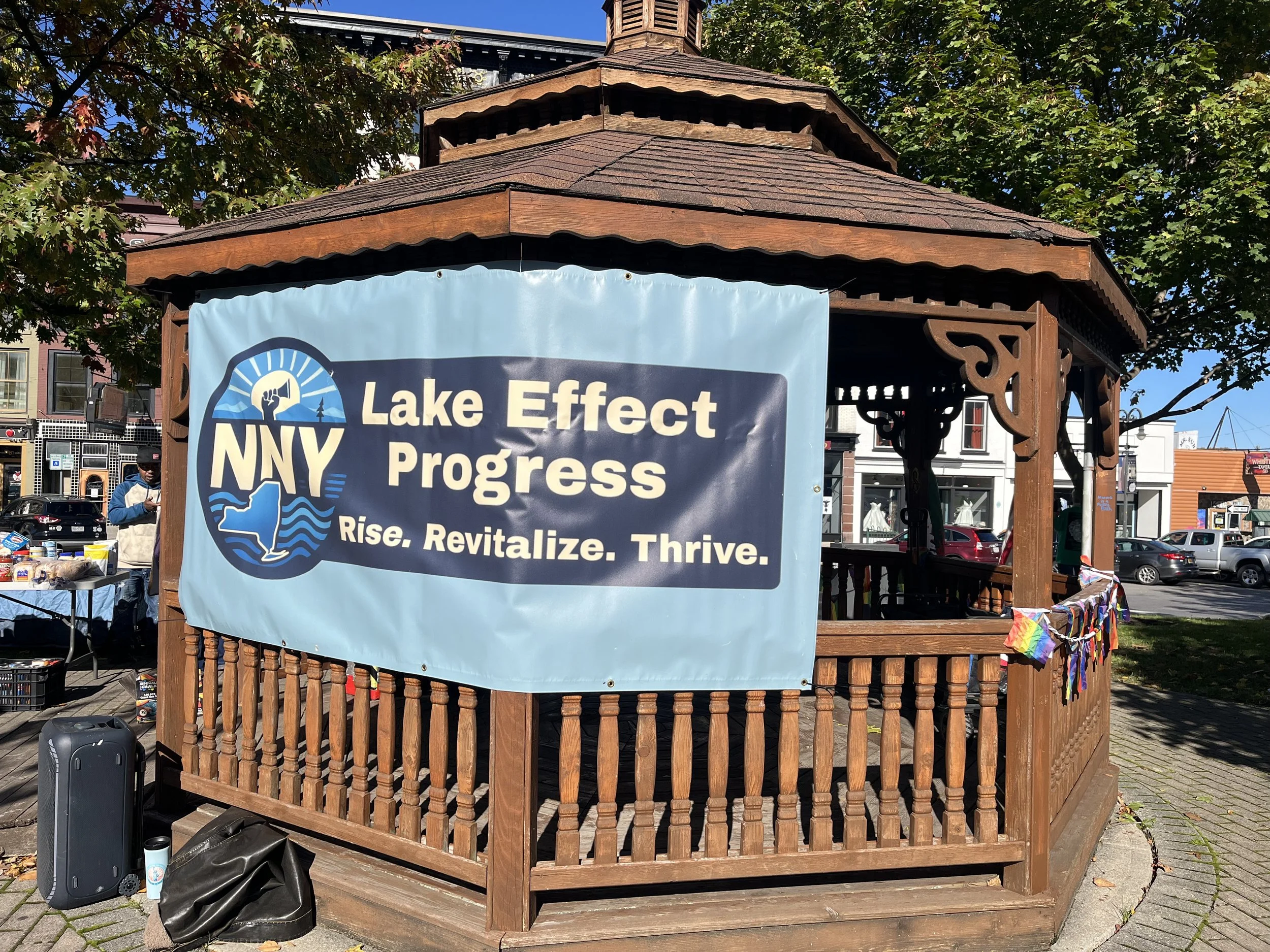
Cassandra Kunert reports from Watertown, NY, where a local rally spotlighted not only democratic participation, but also the urgent need for mutual aid.
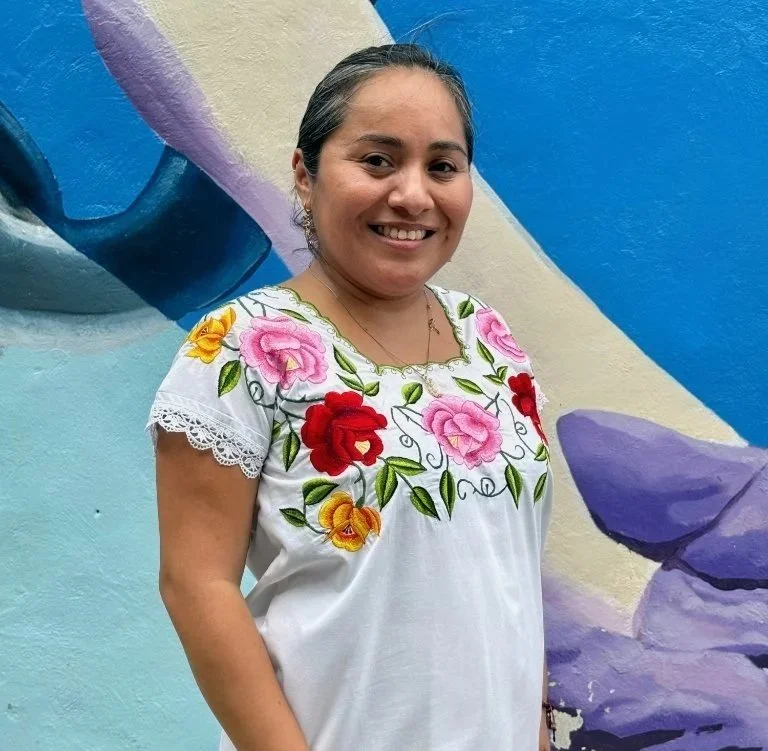
With firm hope placed in the new generations, Sheena’s life demonstrates that sowing collective memory and defending women's rights is a sacred form of resistance.
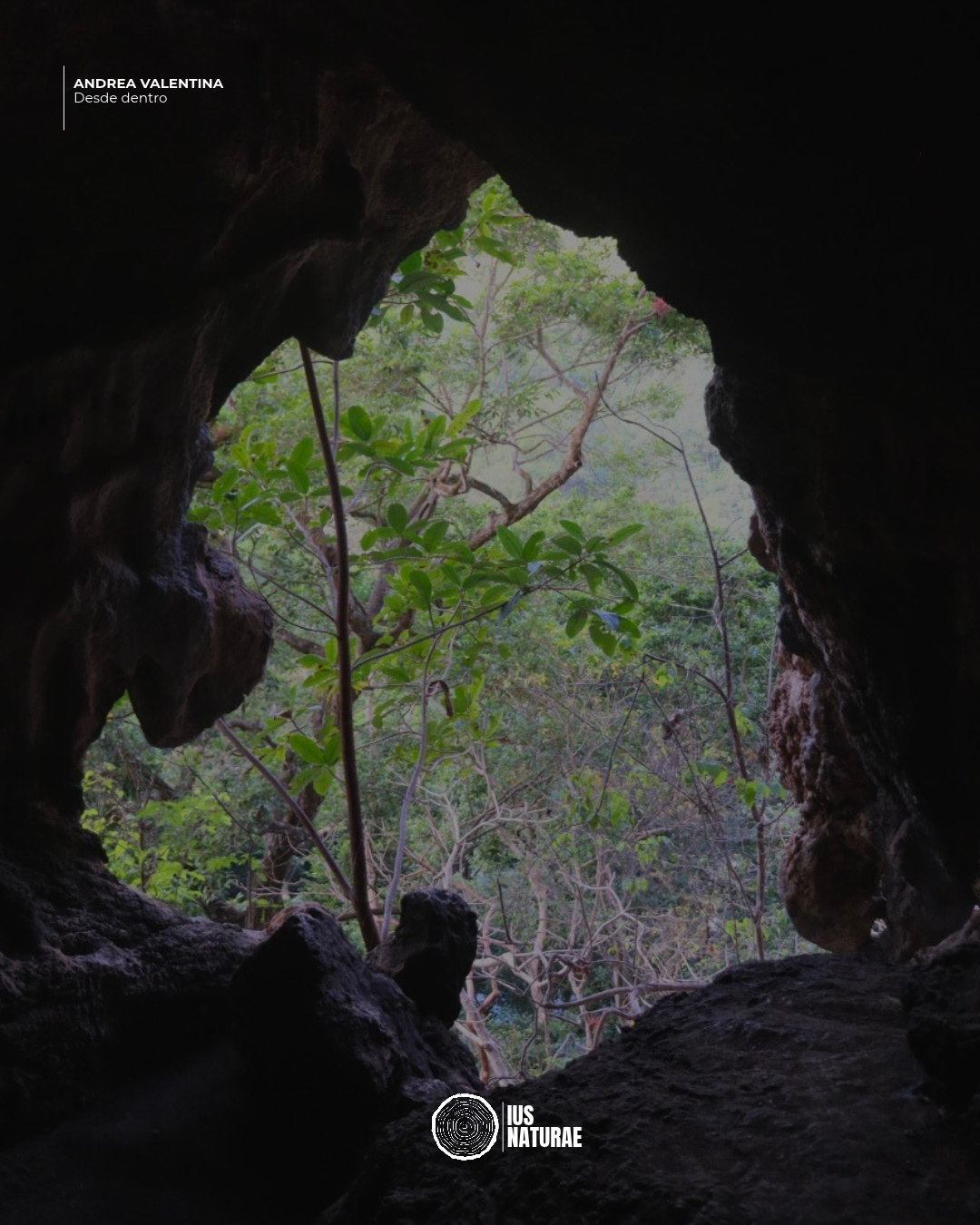
Three activists from the Ius Naturae Center highlight a unique and inspiring initiative to enshrine the Rights of Nature in Mexico’s constitution for the first time.
“Can AI replace care workers?” asks Steve Peraza. “Can ElliQ complete the activities of daily living that paid and unpaid caregivers perform for care receivers? If they could, should we reimagine a world where care is the work of AI?”
Who and what gets to move through border spaces, and how does the business of securing Europe’s borders affect us all? Derek Sherrange spent three days moving between two countries and two continents to dig into these questions.
Two words, Anger and Hope, chosen for two mobilizations held on the same day, against the same government, say a great deal about a tension running through the Argentine left. What should be done with the dissatisfaction that exists now? Marcela Gottschald reports from Buenos Aires.
John Collins visited the tent encampment in the Puerta del Sol and found a striking array of stickers reflecting the urgency and creativity of a growing grassroots movement.
A small exchange spray painted on the streets of the Spanish capital reveals far-right efforts to stoke anti-immigrant racism - and grassroots efforts to push back.
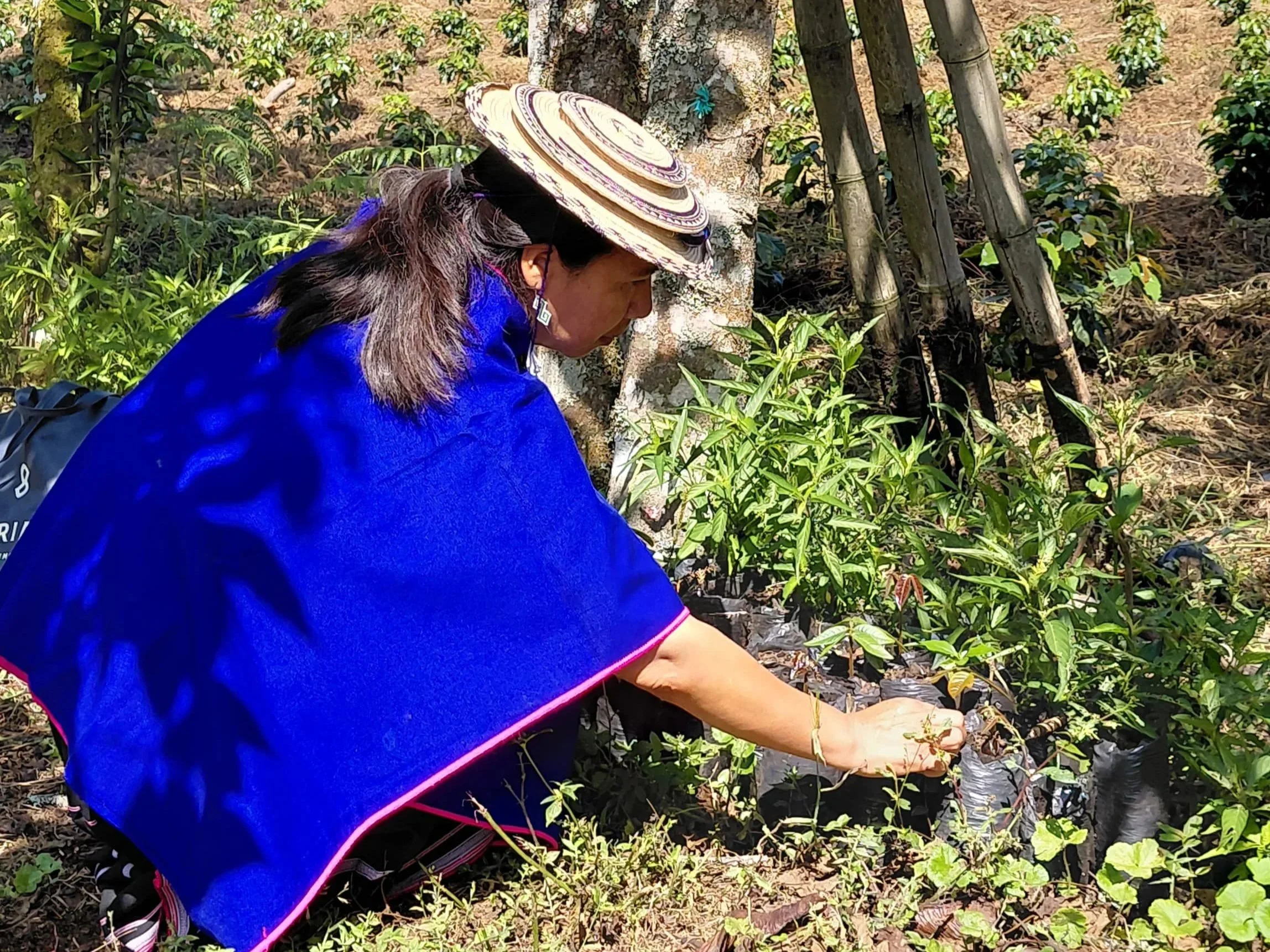
Her story is a tapestry of memory, care, and resistance: she is a woman who sows food, safeguards ancestral knowledge, and nurtures a profound bond with the life that surrounds her.

Living under constant surveillance is to exist in a permanent state of hypervigilance, writes Gina Romero for Global Voices.
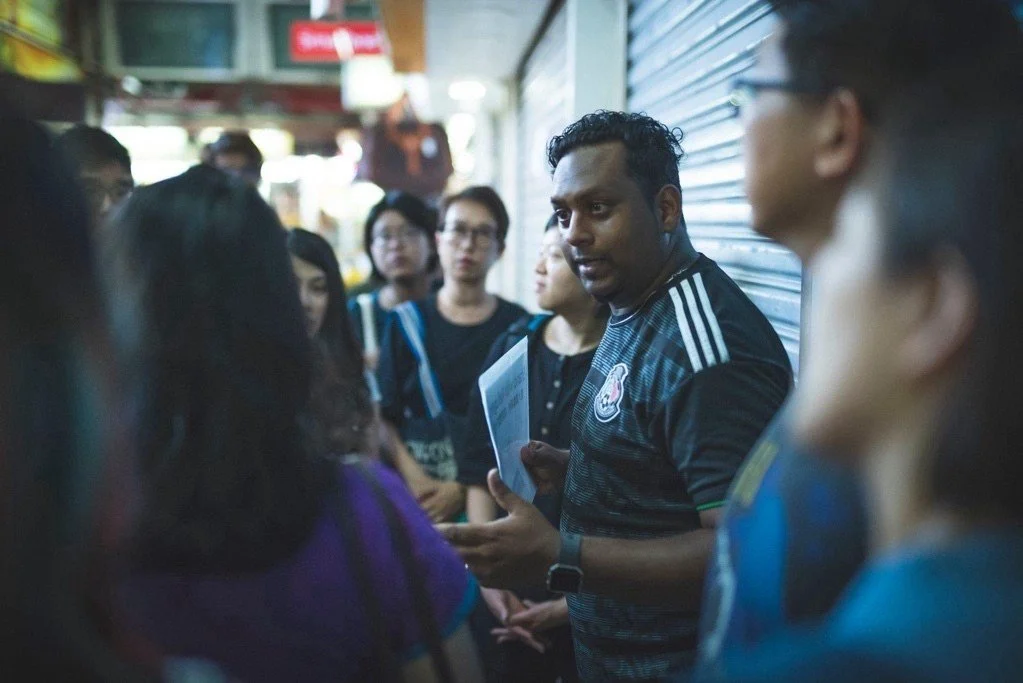
Minority communities in Hong Kong have long faced systemic exclusion, writes Aneesa Zubair - but change is in the air.
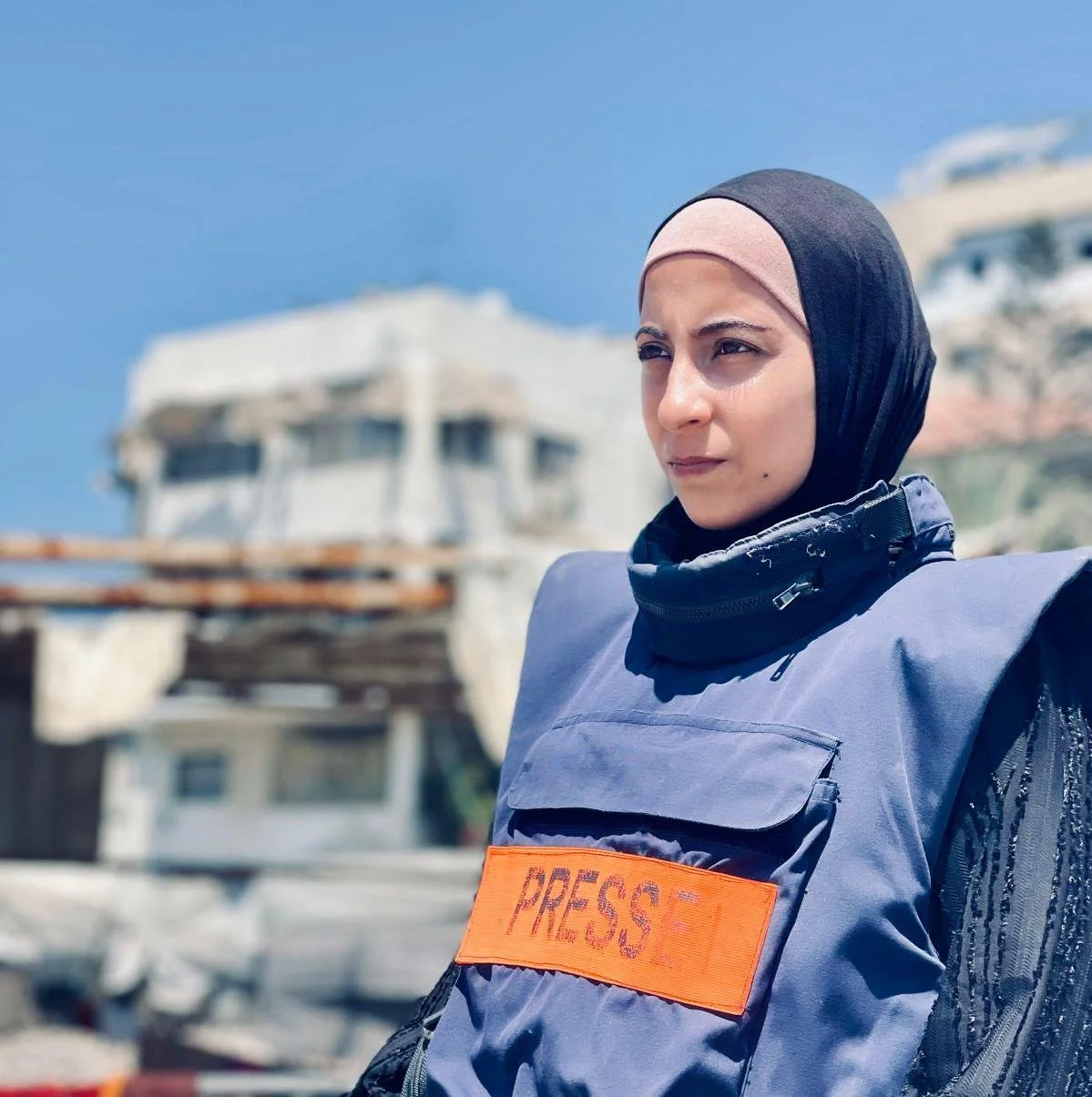
I borrow equipment from my reporting colleagues so that I can get close to sources and protect myself from shrapnel, writes Ohood Nassar for We Are Not Numbers.
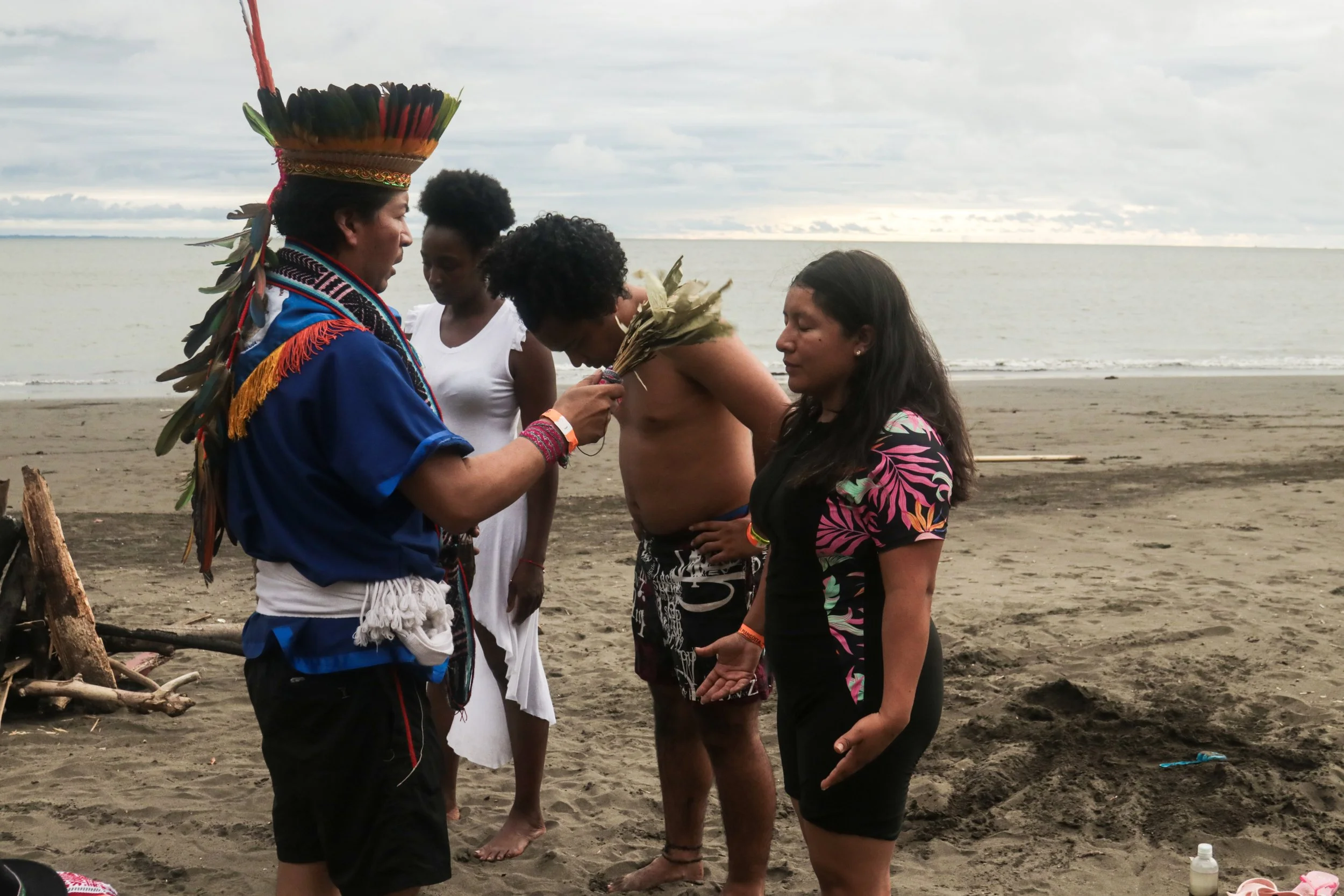
There are teachers who teach content, and there are those who teach us to remember. To remember where life comes from, to whom we owe our breath, and why the earth is not a resource, but a mother who should be listened to, cared for, and defended.
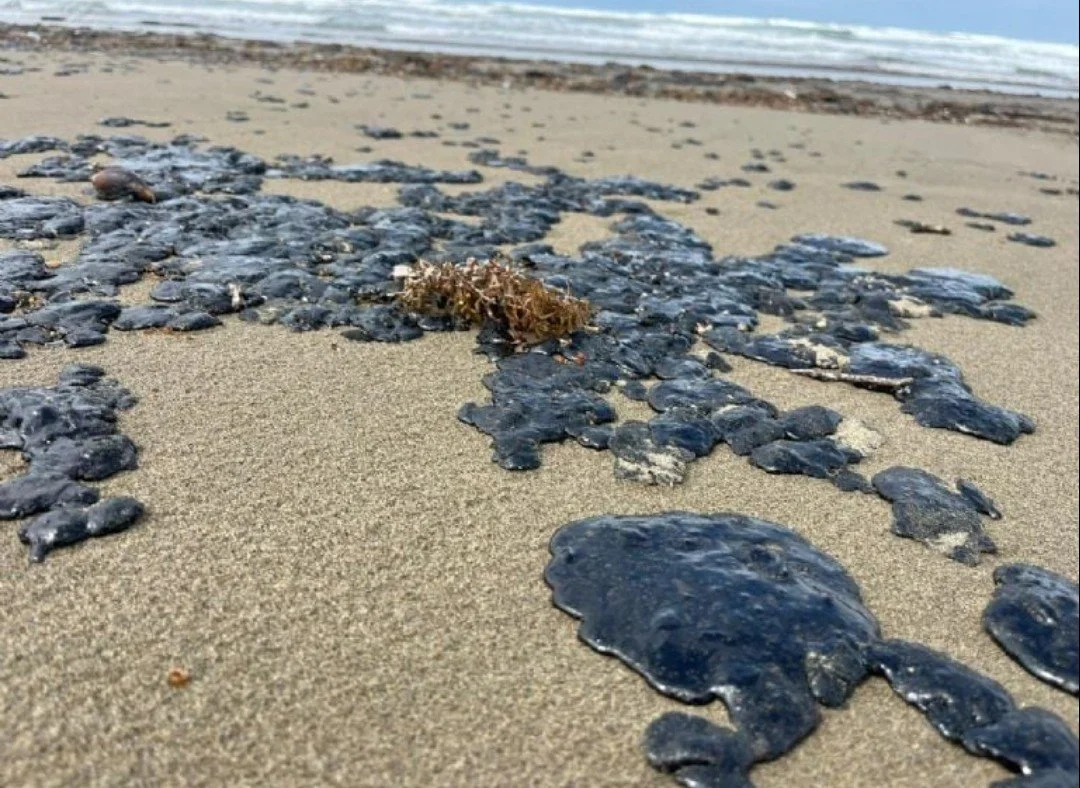
As long as the energy model in Mexico continues to prioritize extraction without guaranteeing concrete conditions of ecological security, these events will not be exceptional; they will be inevitable, write Claudia Brindis and Diego Flores.
The story of one Buffalo family reveals the value of consumer directed personal assistance programs, both for care receivers and for public health more broadly.
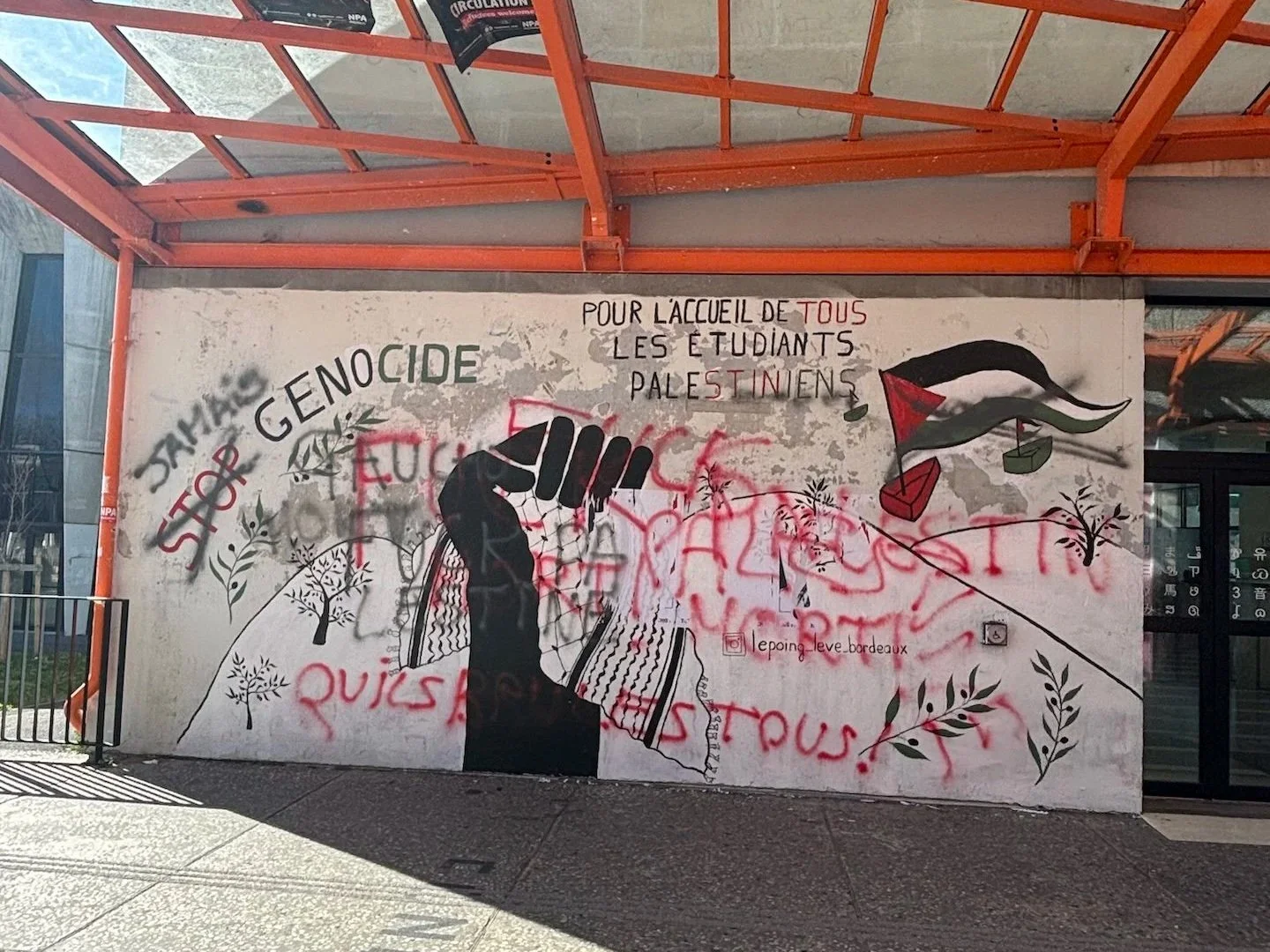
The death of a far-right French activist had immediate repercussions at a university where students use public space to support Palestinian liberation, gender equality, and other struggles.
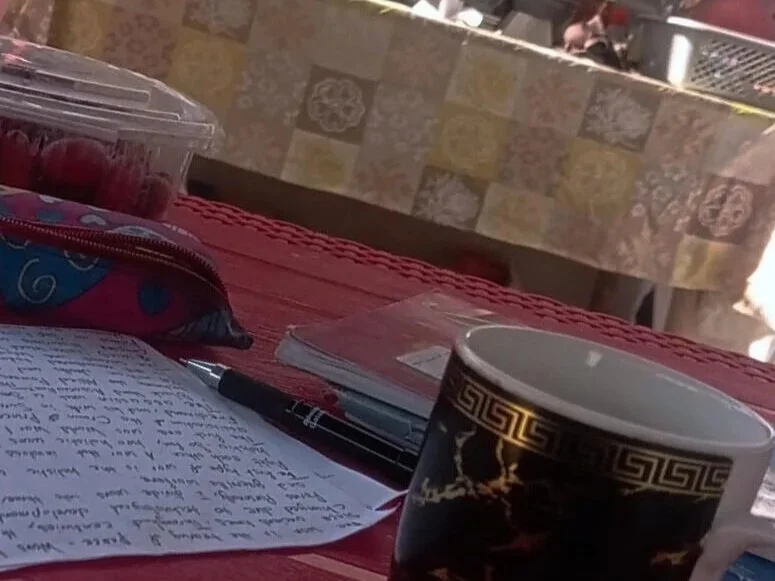
Behind every completed task is a story of a struggle, persistence, and pain, writes Mariam Mushtaha for We Are Not Numbers.
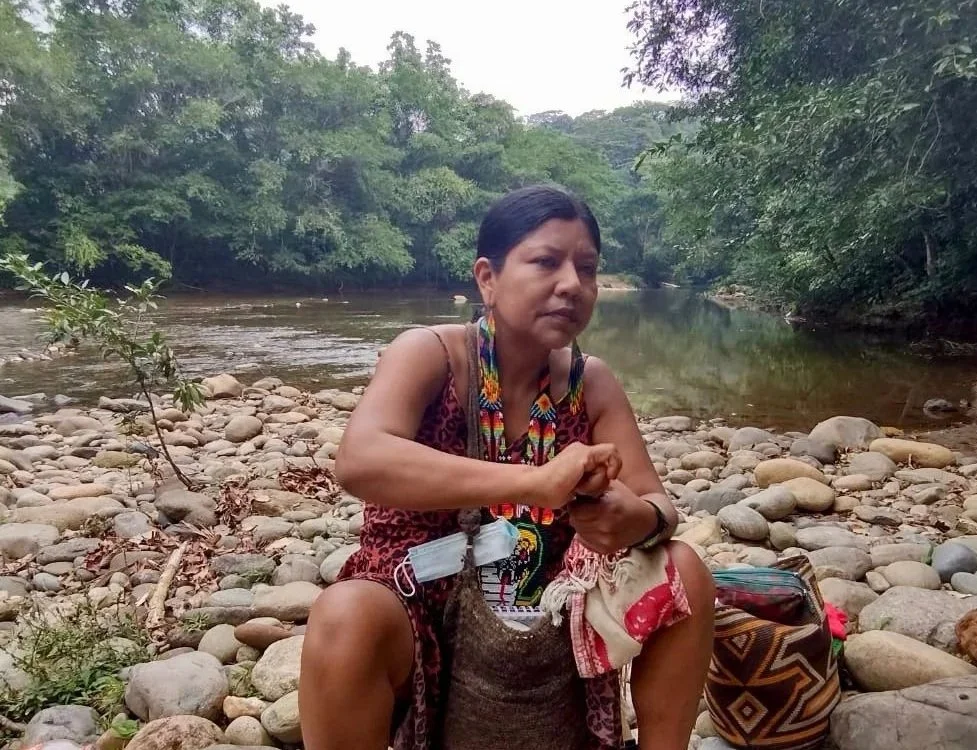
In a place where rivers are born and the jungle sets the pace of existence, the story of Luz Mery Panche Chocué reveals the paths of resistance and continuity of Indigenous peoples beyond their original territories.
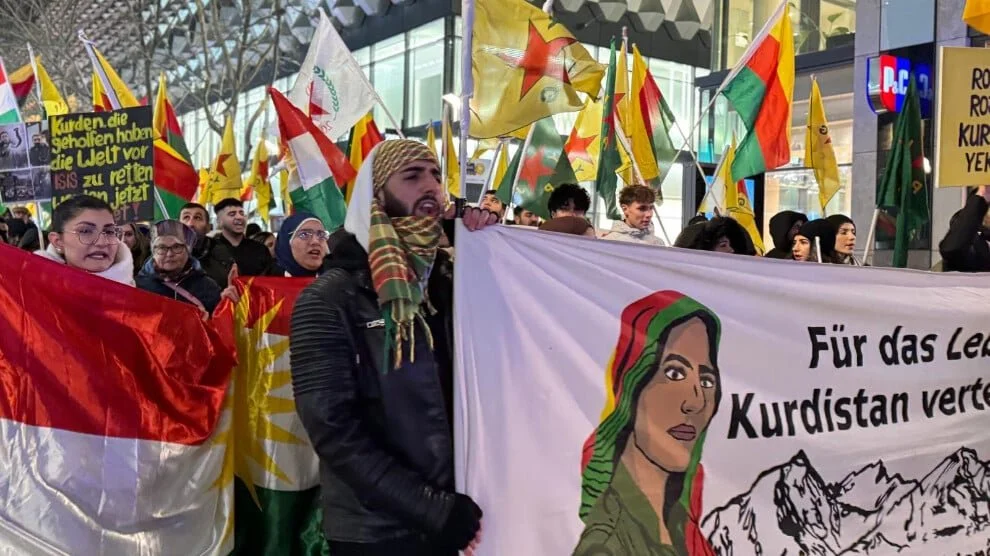
Constituents of the Global Tapestry of Alternatives appeal for global solidarity to defend the Rojava revolution.
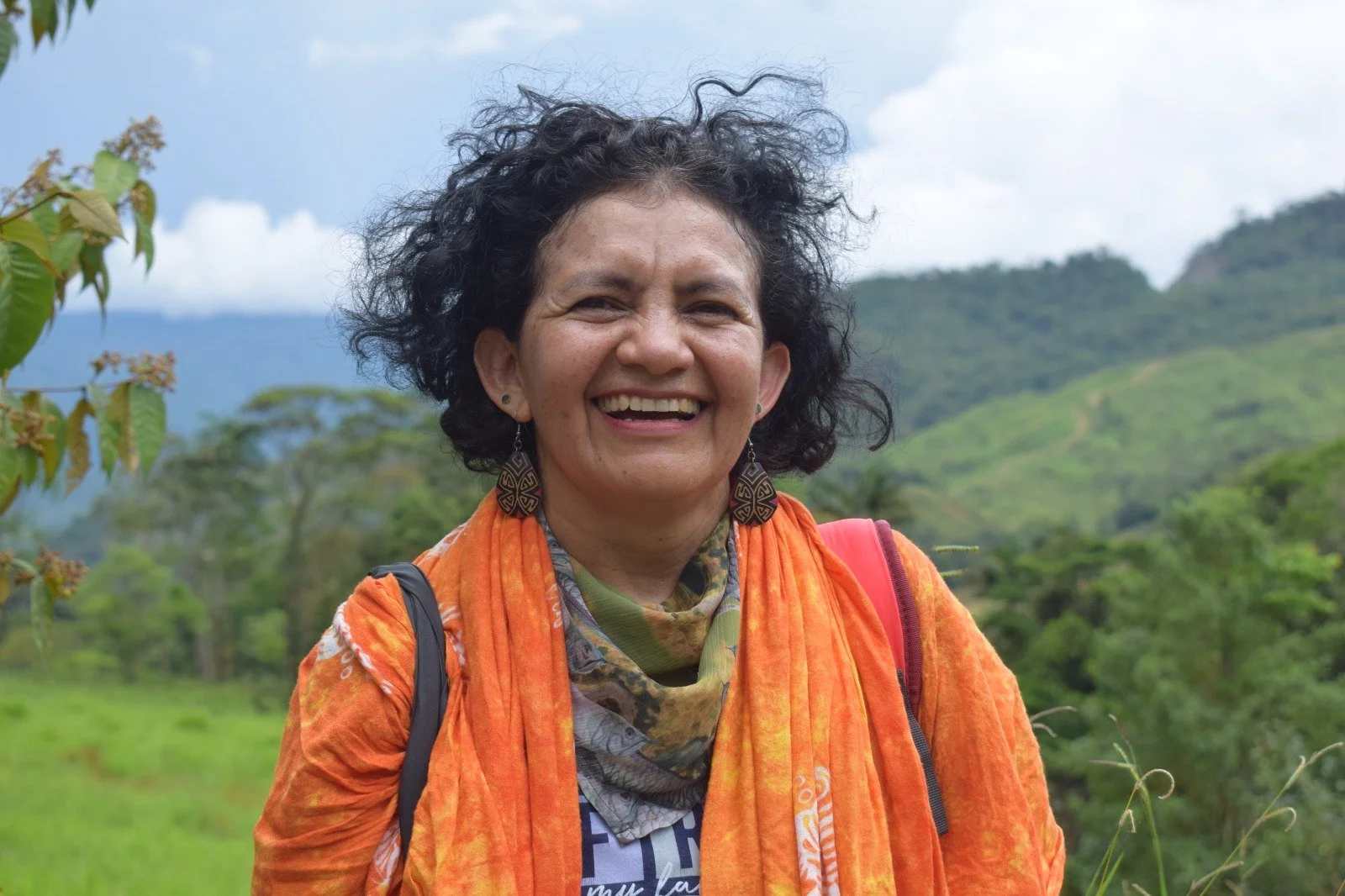
In Putumayo, one of the departments of the Colombian Amazon, she is part of a social movement that opposes multinational extractivism.
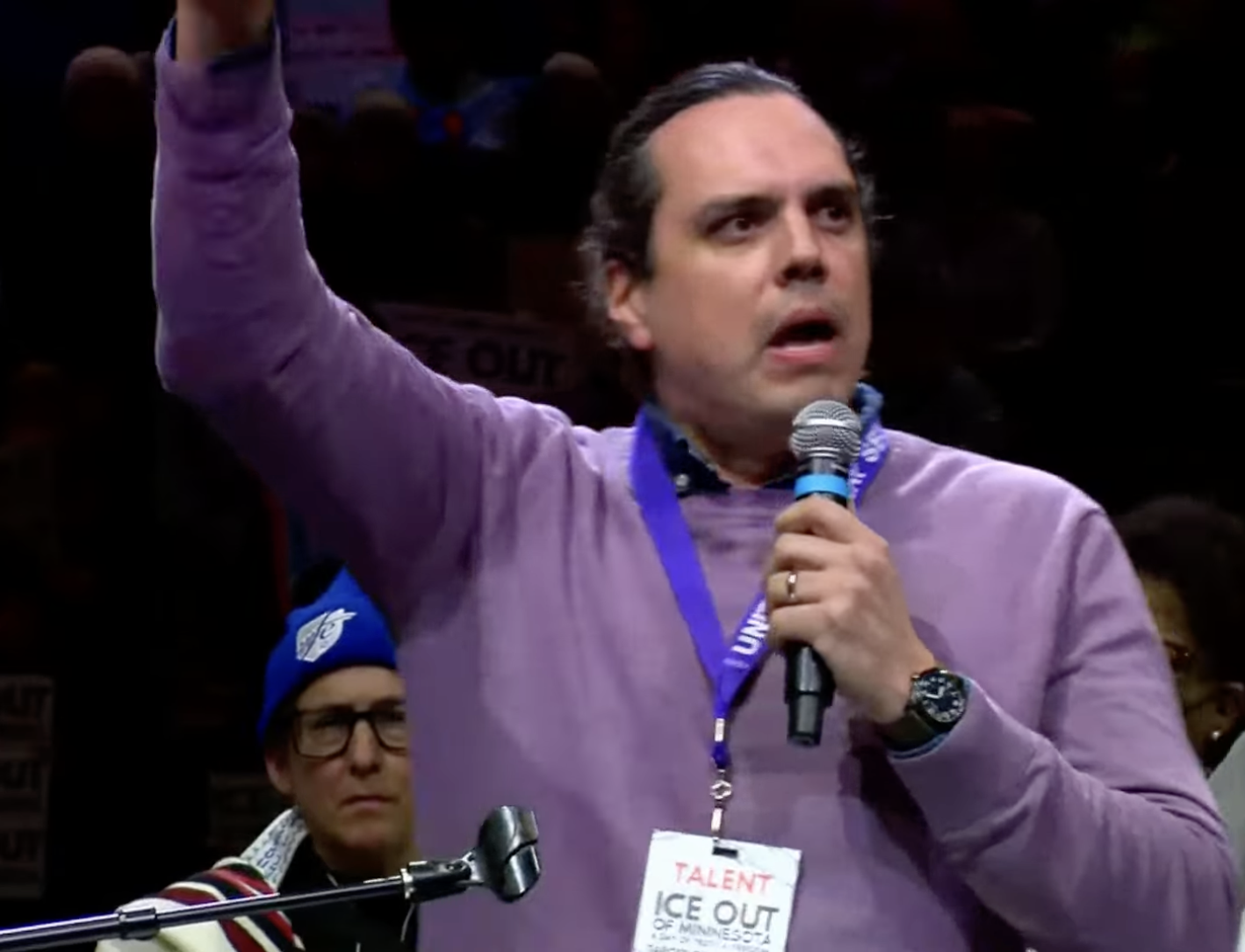
For the author of Our History Is the Future, the struggle against ICE is incomplete without a true anticolonial reckoning.
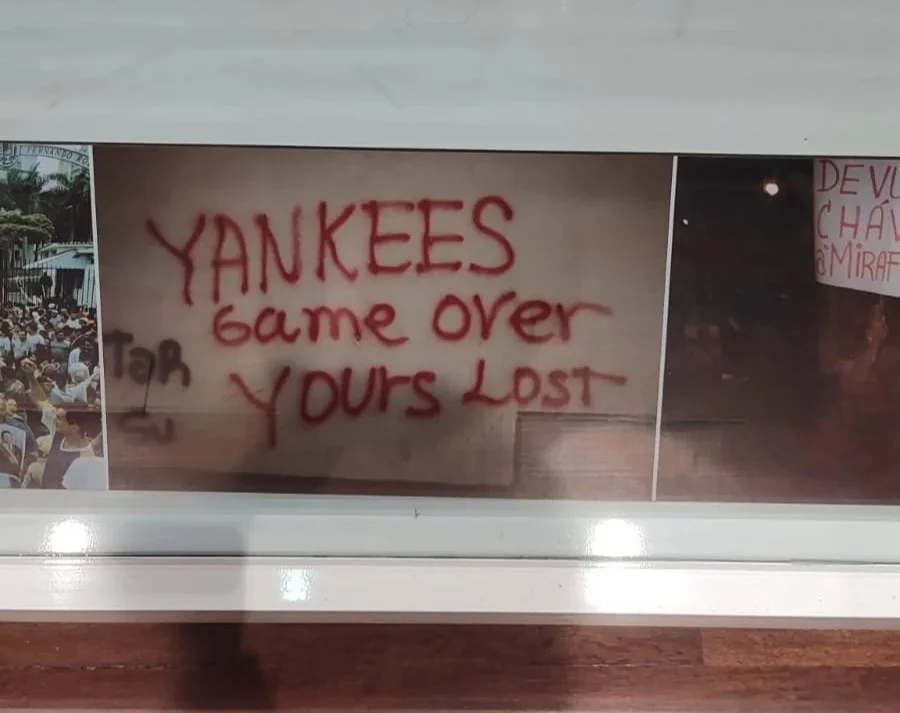
Being Venezuelan now means explaining yourself before you are even asked. I often find myself elaborating on my political experience and beliefs as fast as I said my name.
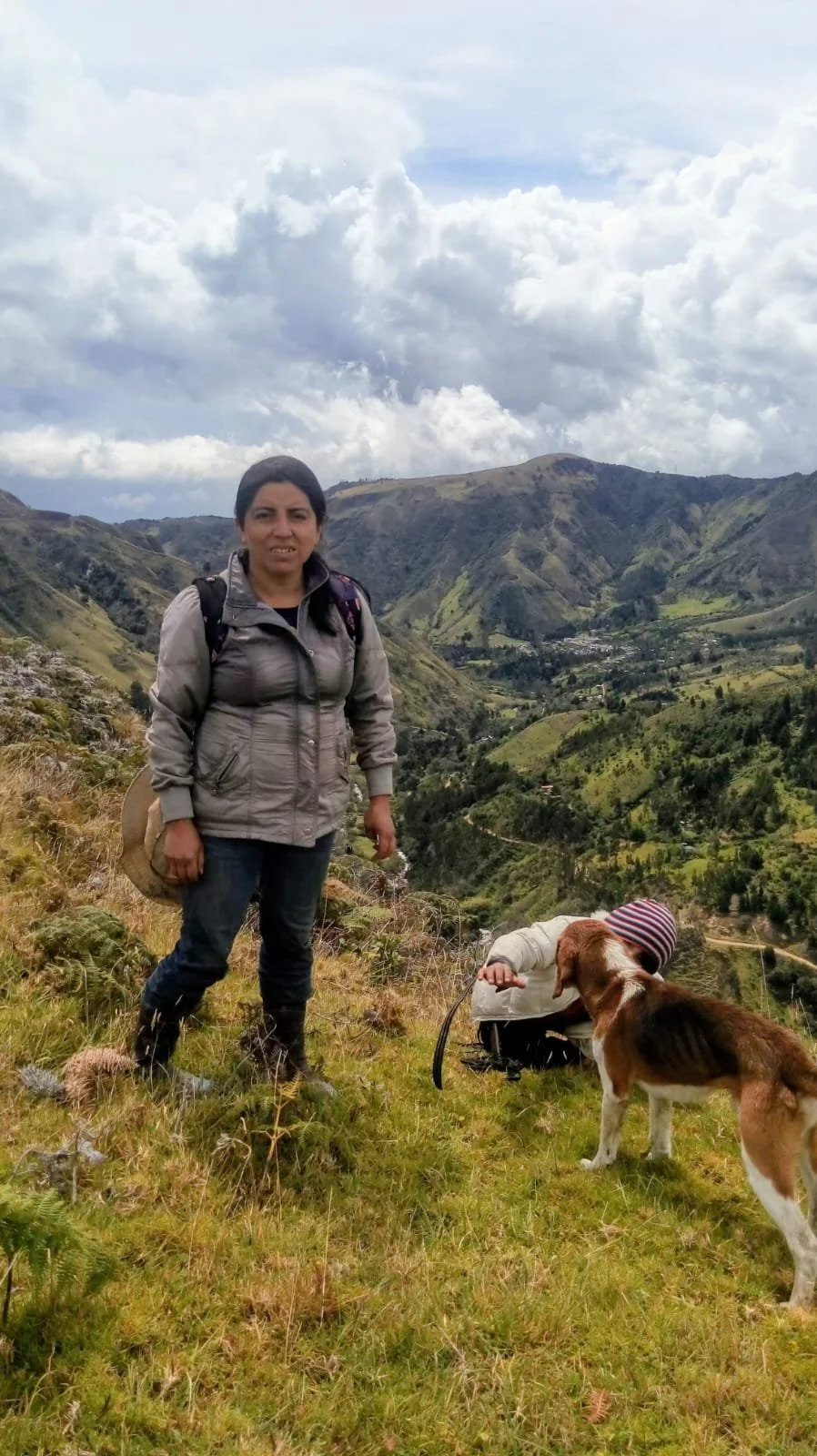
The life of Mónica Solarte Moreano is interwoven with the history, struggle, and spirituality of the Iguailik people. Through her experience as a woman, mother, and professional, she embodies ancestral knowledge, the defense of territory, and the transmission of an identity.

Inna Saribekyan reports from the Malaga neighborhood where the patron saint of fishermen is ever-present.
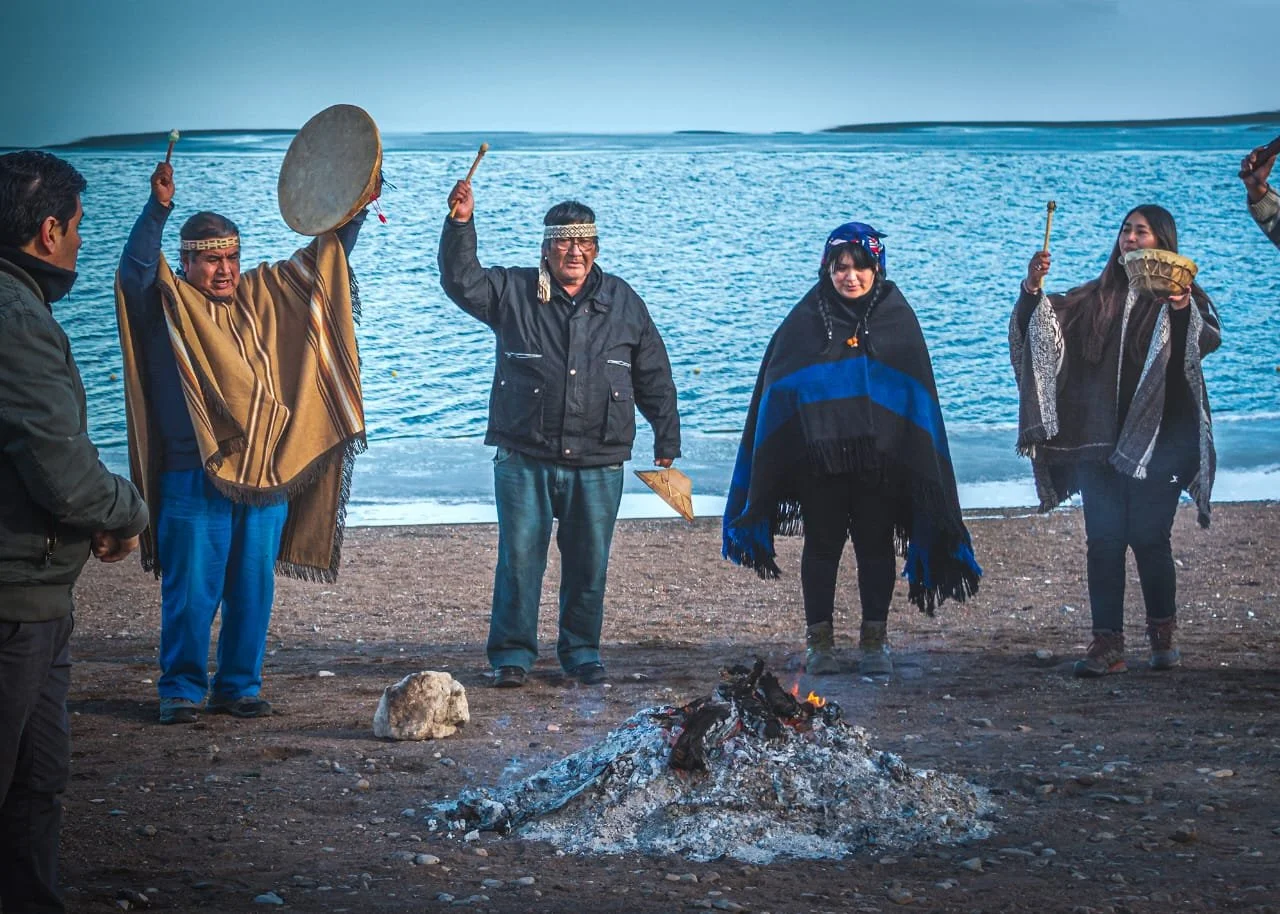
Looking after the mapu in a place where the land speaks

The patchwork of Awá life in Katsa Su
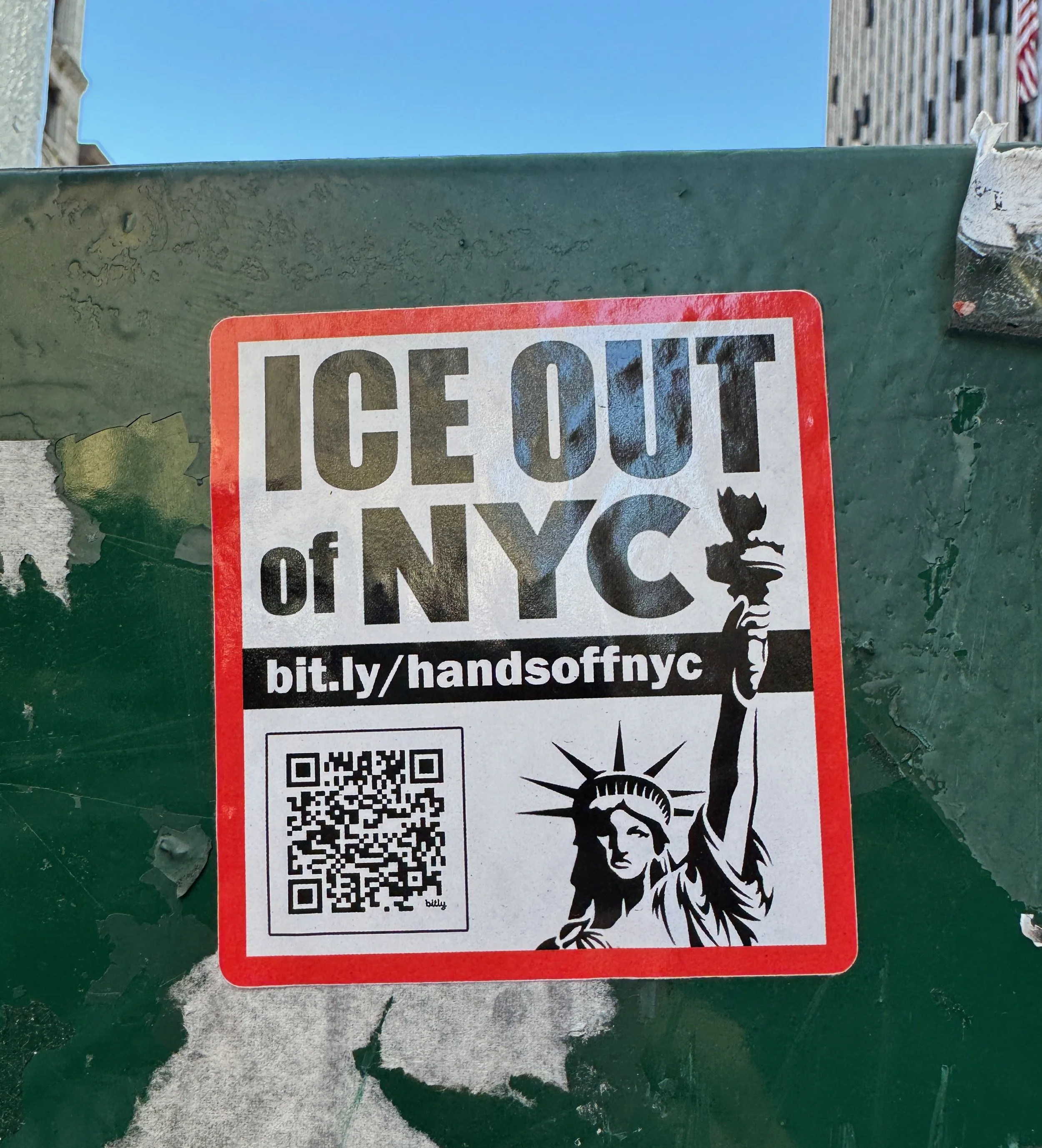
For our Weaving the Streets series, Catherine Tedford listens to the people’s voice in the Big Apple.

A report from a unique meet-up at the Socialism 2025 conference

Irem Tuana Ciftci reflects on her Ramadan experience in Morocco.
Our Vision.
We envision a world where a vibrant grassroots journalism community promotes social justice, civic engagement, and media literacy by democratizing the work of journalism itself and by revealing the connections between the local and the global.
Lo último en El Tejido
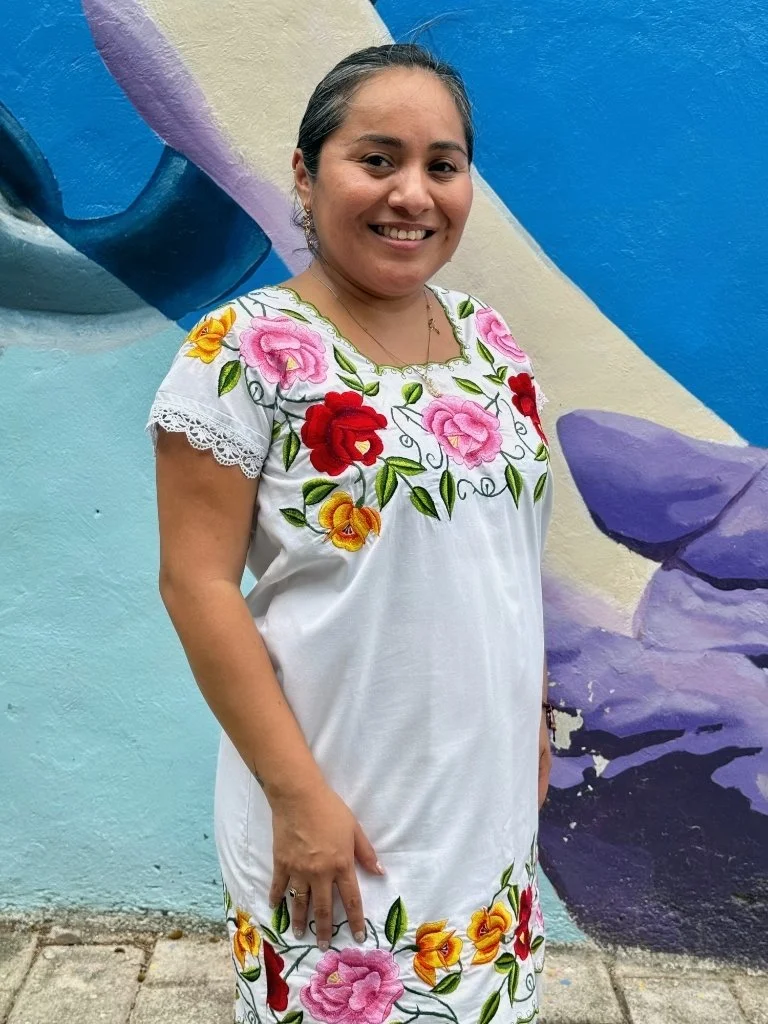
Con la firme esperanza puesta en las nuevas generaciones, su vida demuestra que sembrar la memoria colectiva y defender los derechos de las mujeres es una forma sagrada de resistencia.
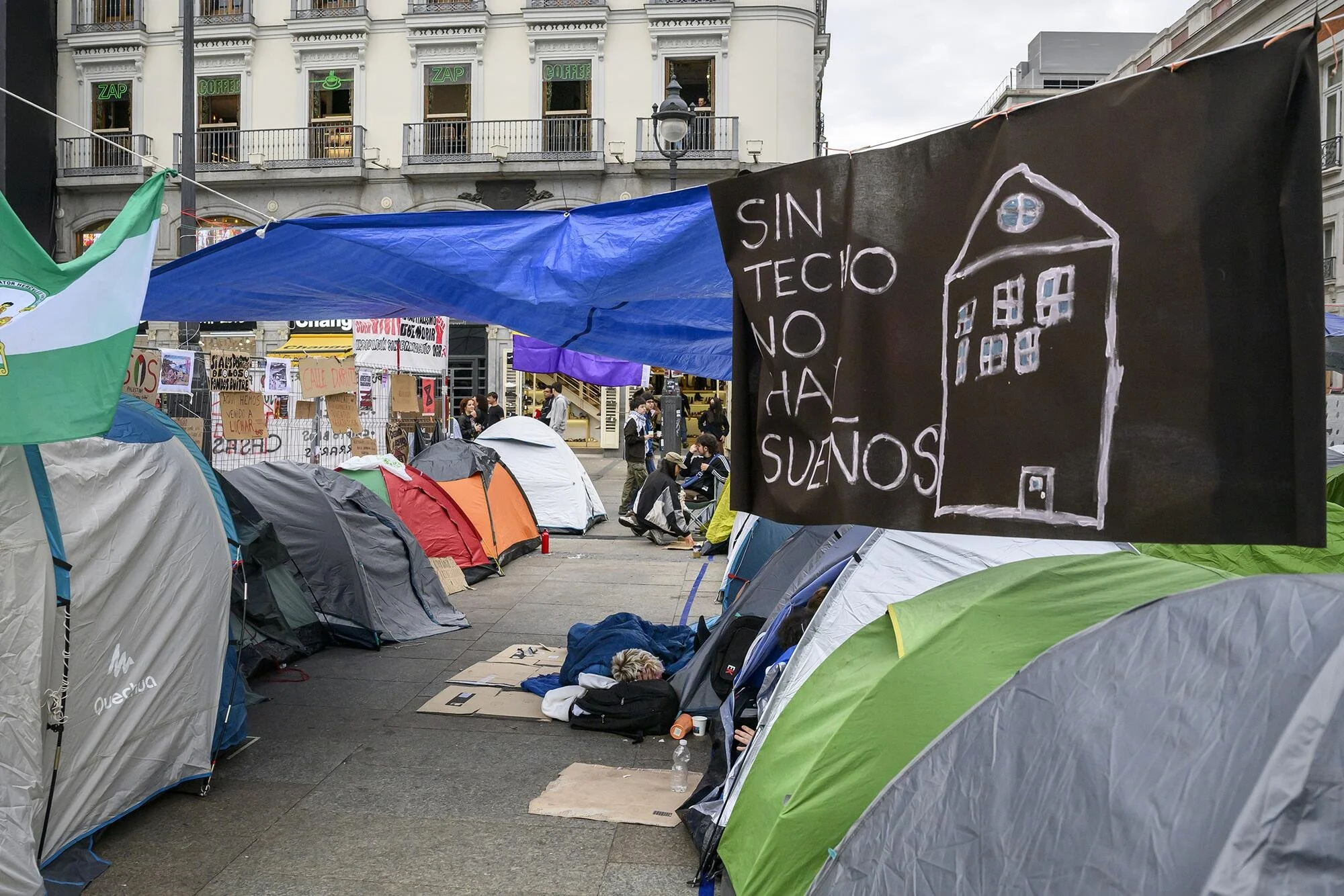
Dictadura inmobiliaria, remigración, genocidio, la del poder es una utopía zombi donde a las personas se las expulsa o son aniquiladas en el altar del beneficio, donde se construye sobre cadáveres.
Tres activistas del Centro Ius Naturae destacan una iniciativa única e inspiradora para consagrar los derechos de la naturaleza en la Constitución de México por primera vez.
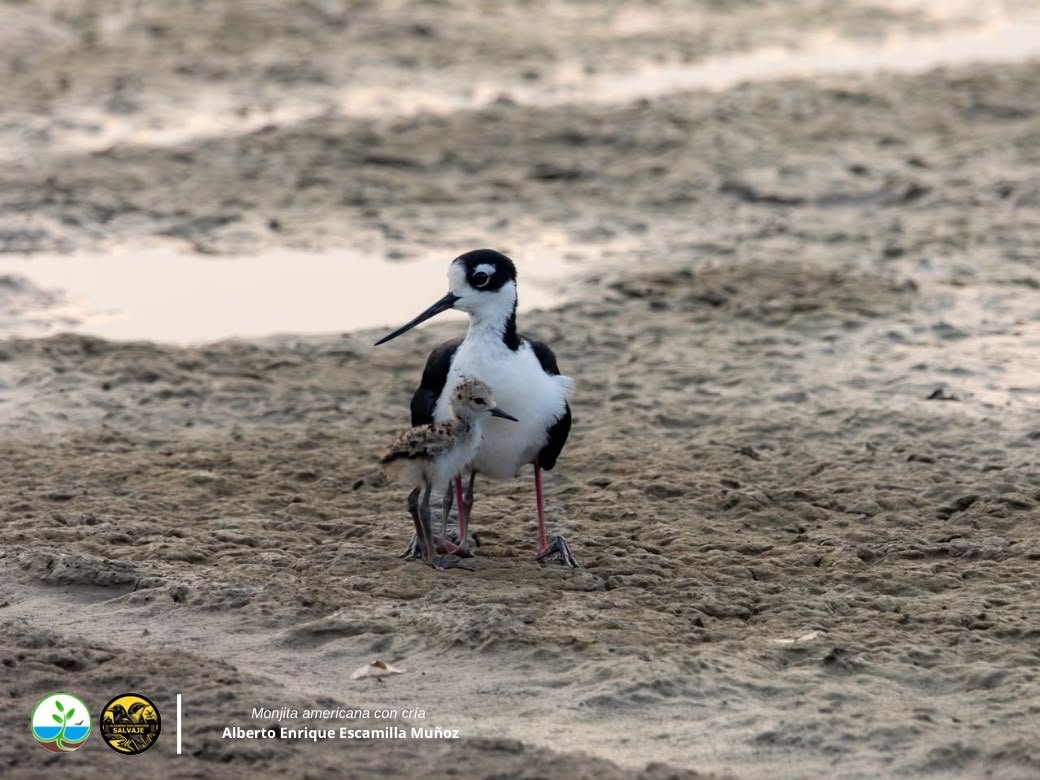
Las juventudes representan la fuerza regeneradora de este tiempo. Son generaciones que han comprendido que defender la vida implica proteger los ecosistemas, escuchar la sabiduría de los pueblos originarios, fortalecer el vínculo con los territorios y actuar desde la corresponsabilidad con todas las formas de existencia.
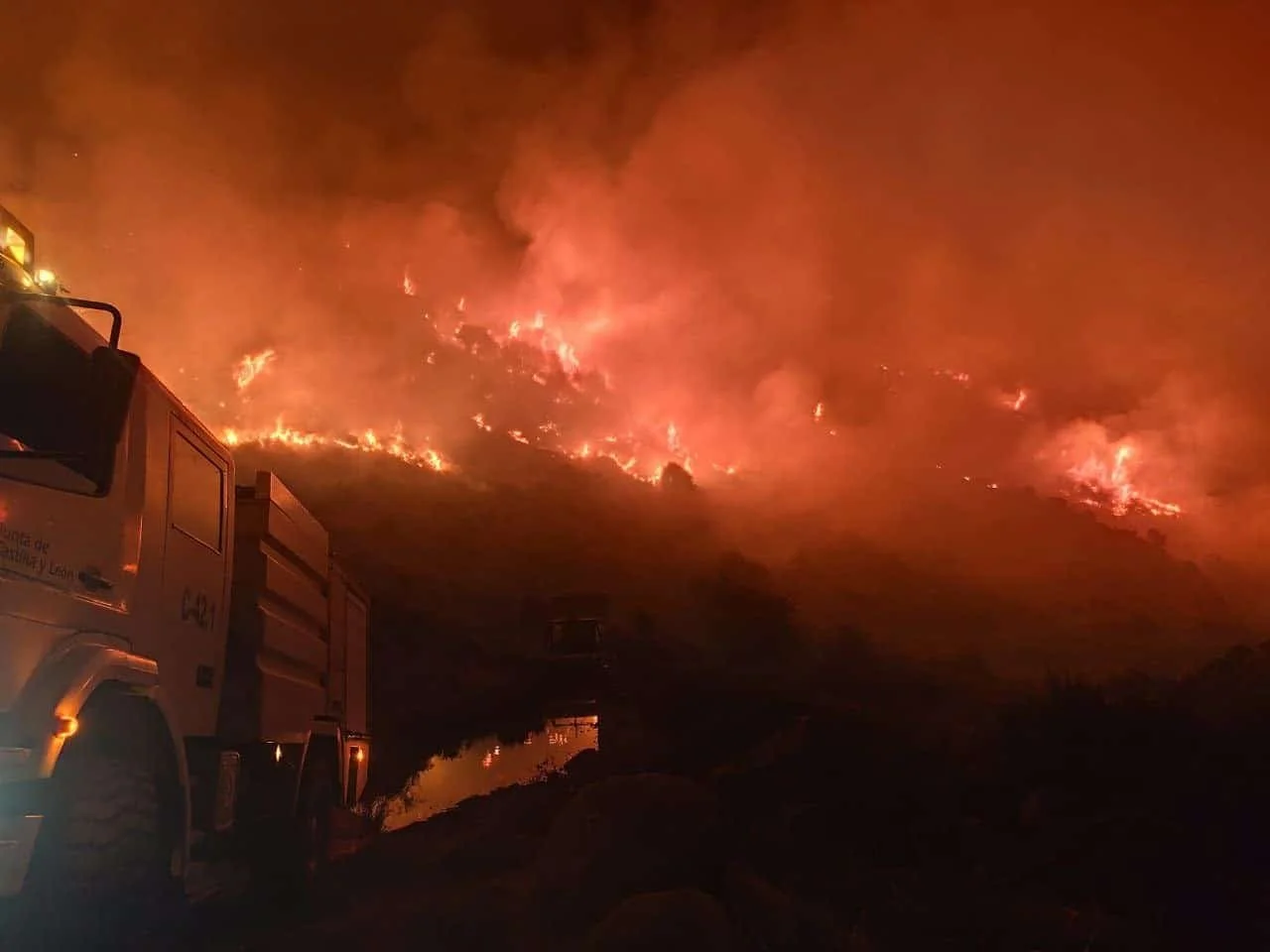
Ecologistas en Acción reitera que el negacionismo climático agudizará estos incendios catastróficos y sus consecuencias, poniendo en riesgo a la población y destruyendo ecosistemas de alto valor ecológico.
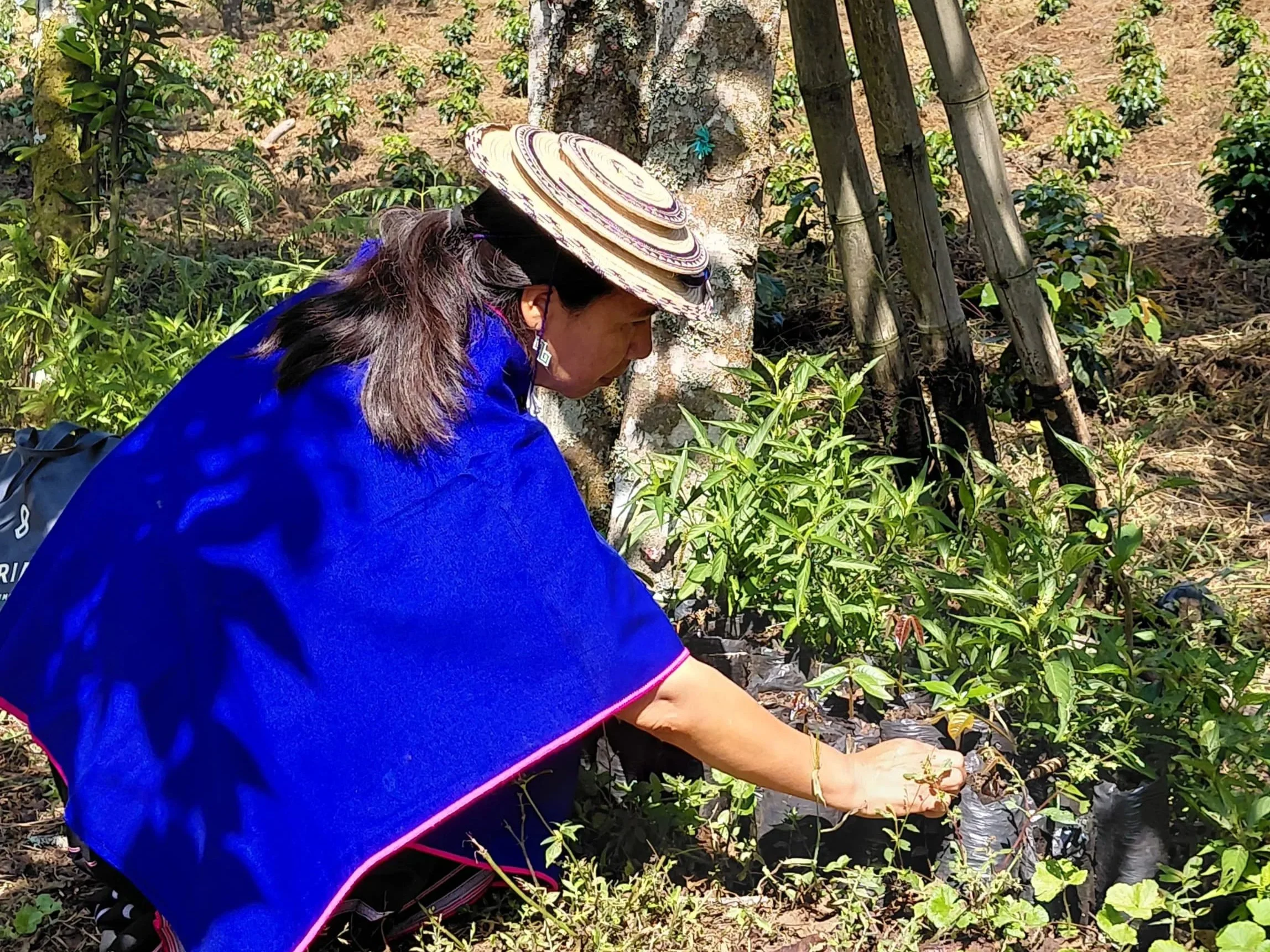
Su historia es un tejido de memoria, cuidado y resistencia: una mujer que siembra alimentos, protege conocimientos ancestrales y mantiene vivo un vínculo profundo con la vida que la rodea.
Alexandra Rauscher explora cómo Vive Río San Juan y Tequisquiapan Verde trabajan a contracorriente del crecimiento económico constante, creando una coalición ciudadana para proteger el río que da vida a su comunidad.
Ecologistas en Acción, junto con Rebelión o Extinción, la Asamblea Internacionalista de Madrid y la Asamblea contra el Rearme y la Militarización, se concentran en la sede de Indra.
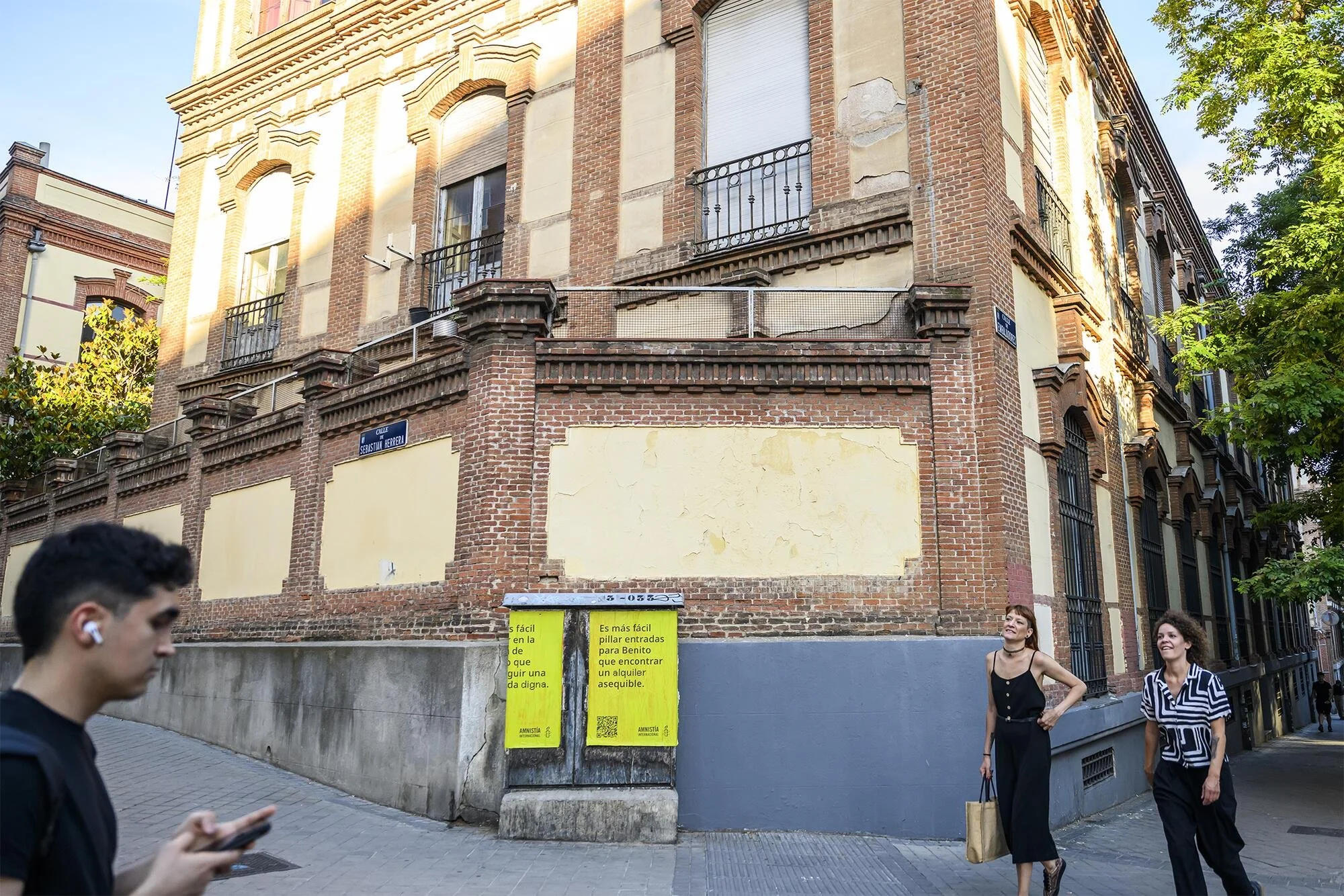
Los colectivos del antiguo Espacio Vecinal de Arganzuela (EVA), sin sede física desde que el Ayuntamiento no renovase la cesión del Mercado de Legazpi, negocian con Cultura la cesión de la antigua Farmacia Militar de Embajadores, una reivindicación que denuncia la falta de espacios vecinales en Madrid.
Hay docentes que enseñan contenidos, y hay quienes enseñan a recordar. Recordar de dónde viene la vida, a quién le debemos el aliento y por qué la tierra no es un recurso, sino una madre que se escucha, se cuida y se defiende.
Mientras el modelo energético en México continúe priorizando la extracción sin garantizar condiciones reales de seguridad ecológica, estos eventos no serán excepcionales; serán inevitables.
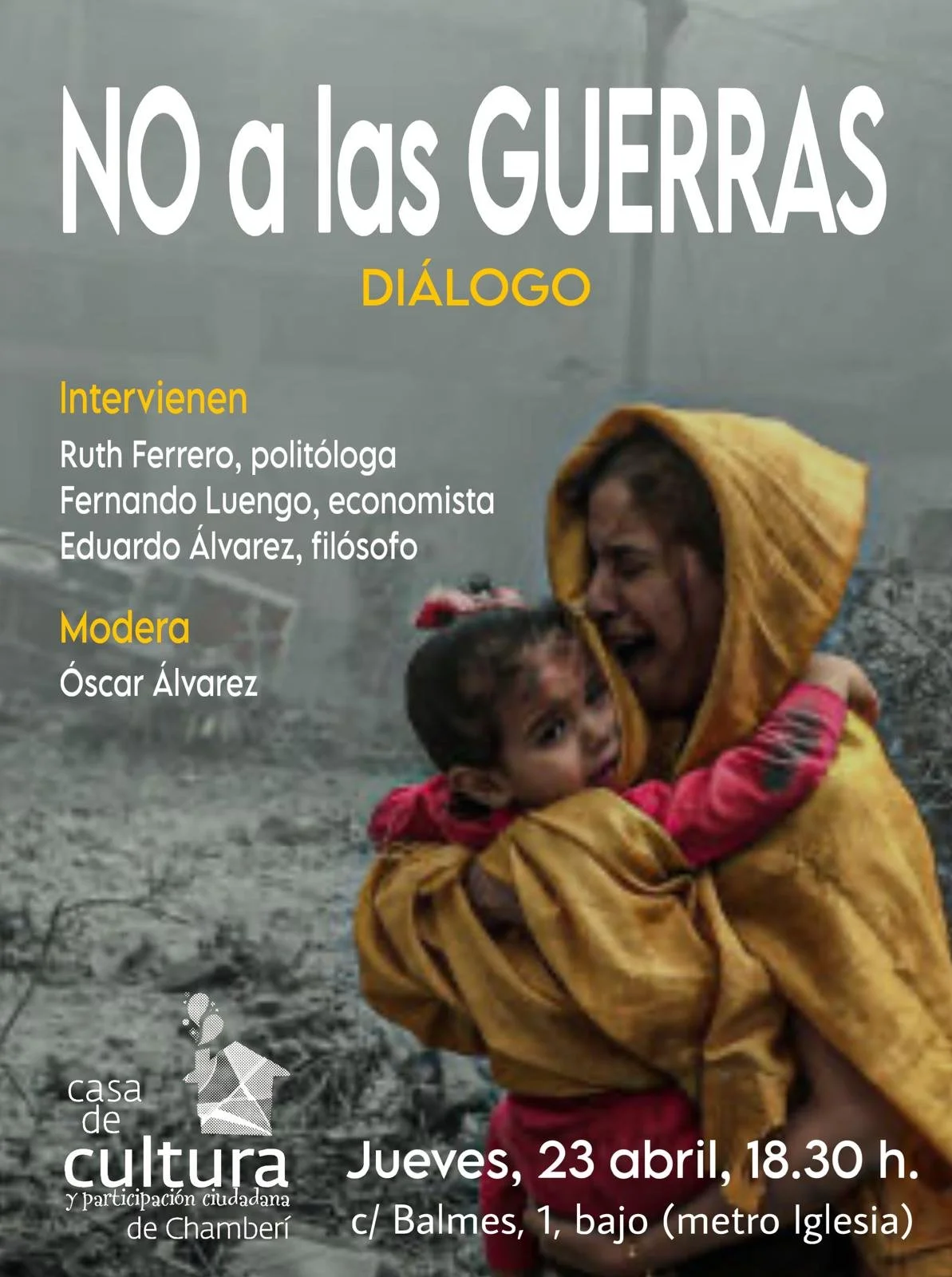
Un diálogo entre la politóloga Ruth Ferrero, el economista Fernando Luengo y el filósofo Eduardo Álvarez.
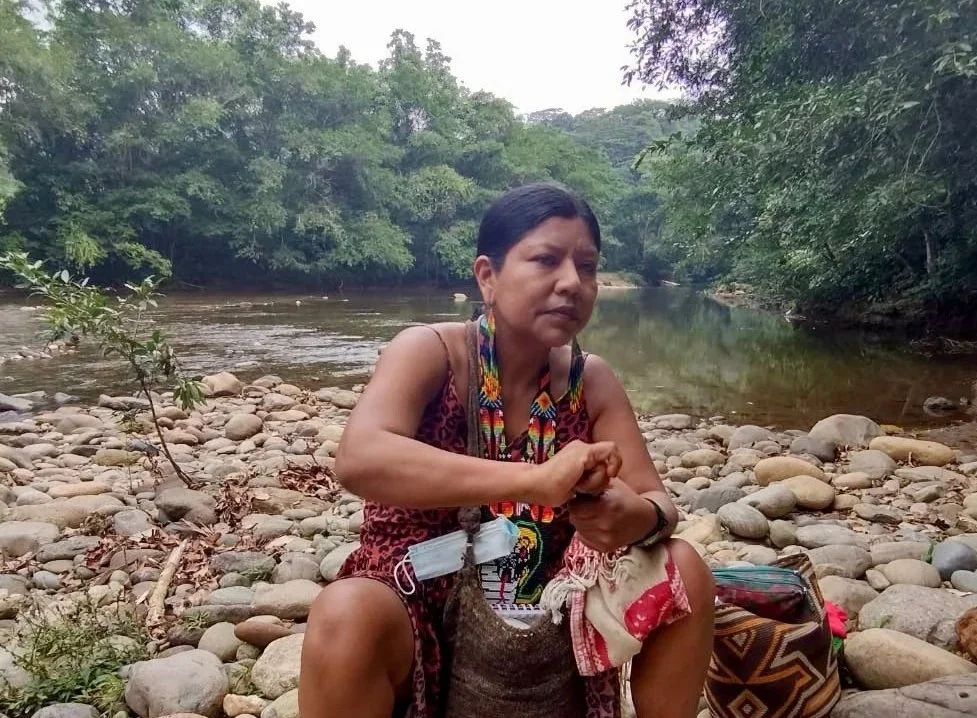
En un lugar donde nacen los ríos y la selva marca el ritmo de la existencia, la historia de Luz Mery Panche Chocué revela los caminos de resistencia y continuidad de los pueblos indígenas más allá de sus territorios originarios.
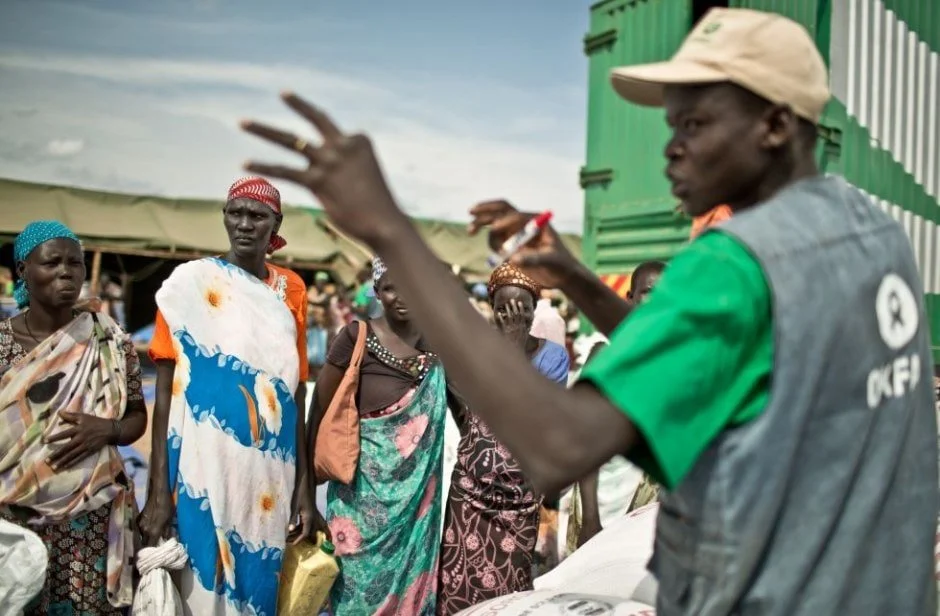
El economista Fernando Luengo identifica y analiza las causas de fondo que están detrás de los movimientos de población.
En Putumayo, uno de los departamentos de la Amazonia colombiana, hace parte de un movimiento social que se enfrenta contra el extractivismo multinacional.

El economista Fernando Luengo escribe en InfoLibre (1 de enero de 2026).
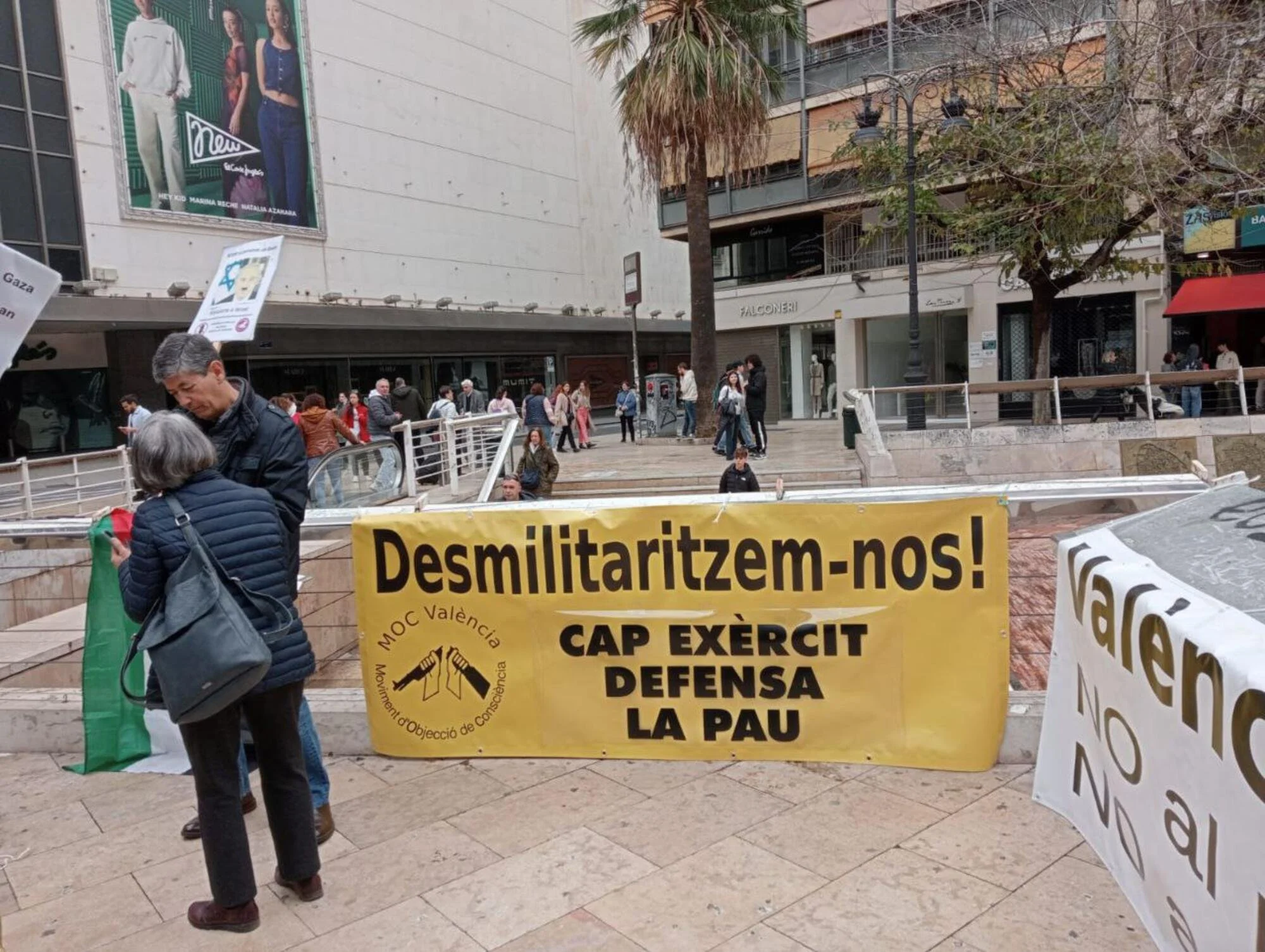
Año 2026. Los poderes siguen instigando las guerras. Cualquier opinión disonante es linchada, vocablo referente al “patriota de la Guerra de la Independencia” el coronel Charles Lynch, del siglo XVIII, quien asesinaba sin juicio a opositores y población afroamericana, violencia sin ley.
Cuidando a la mapu en un lugar donde la tierra habla

El ejército israelí prohibió la entrada de periodistas al territorio que estaba arrasando y por eso casi la totalidad de las víctimas de los medios de comunicación son palestinas.
La trama de la Vida Awá en Katsa Su
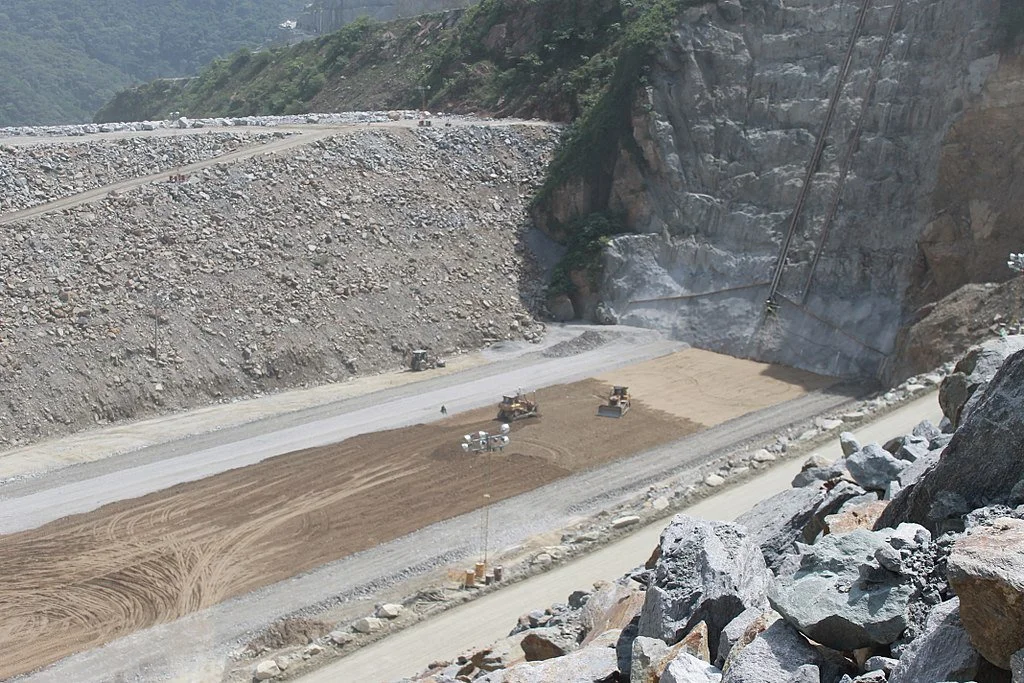
Los discursos institucionales, mediáticos o corporativos configuran las formas en las que se perciben los megaproyectos. Estos se presentan como proyectos de nación o como una oportunidad para el desarrollo, el empleo y la transición verde. Publicado por El Salto el 11 de julio de 2025.
(Imagen: Algorithmix, CC0, via Wikimedia Commons)

Desde 2022 hasta hoy muchos partidarios de la prolongación de la guerra en Ucrania han establecido una comparación con la situación previa a la Segunda Guerra Mundial para defender el retraso de la negociación y de un acuerdo de paz. Es lo que se denomina la analogía de Múnich de 1938. Con ella insisten en que el primer ministro británico de entonces, Neville Chamberlain, en su empeño por la paz, condujo a Europa hacia la guerra por no poner freno a tiempo a las ambiciones de Adolf Hitler.

¿Cómo se cuidan los huertos comunitarios en una zona de guerra? ¿Cómo educar a las comunidades sobre la importancia de proteger los derechos de los animales no humanos mientras se oyen ametralladoras disparando a lo lejos? Para quienes viven en países que gozan del privilegio de la paz, estas condiciones pueden resultar difíciles de imaginar. Sin embargo, la Initiative pour le Progrès et la Protection de l'Environnement (IPPE), o Iniciativa para el Progreso y la Protección del Medio Ambiente, conoce muy bien la realidad de dirigir una organización medioambiental sin ánimo de lucro en medio de guerras alimentadas por la extracción de minerales.

Sofocados por el calor acumulado del día, la noche se hizo larga. Nos despertó el olor a humo. De momento pensamos que algún vecino estaba quemando basura. Pronto nos dimos cuenta de que el olor era distinto. Olía más a madera quemada.
Justicia, gritan las calles de Xalapa,
Ecocidio, podredumbre, dolor.
Ya no puedo más,
Bebo mi café, escribo.
Un político veracruzano
Toma una coca, firma un papel,
La mega empresa le roba la vida a otro río.

La Franja pasará de ser un enclave asediado a un gigantesco campo de desplazados internos apátridas, sin derechos fundamentales. Todo con la firma de Israel, Estados Unidos y la mayor parte de Europa.
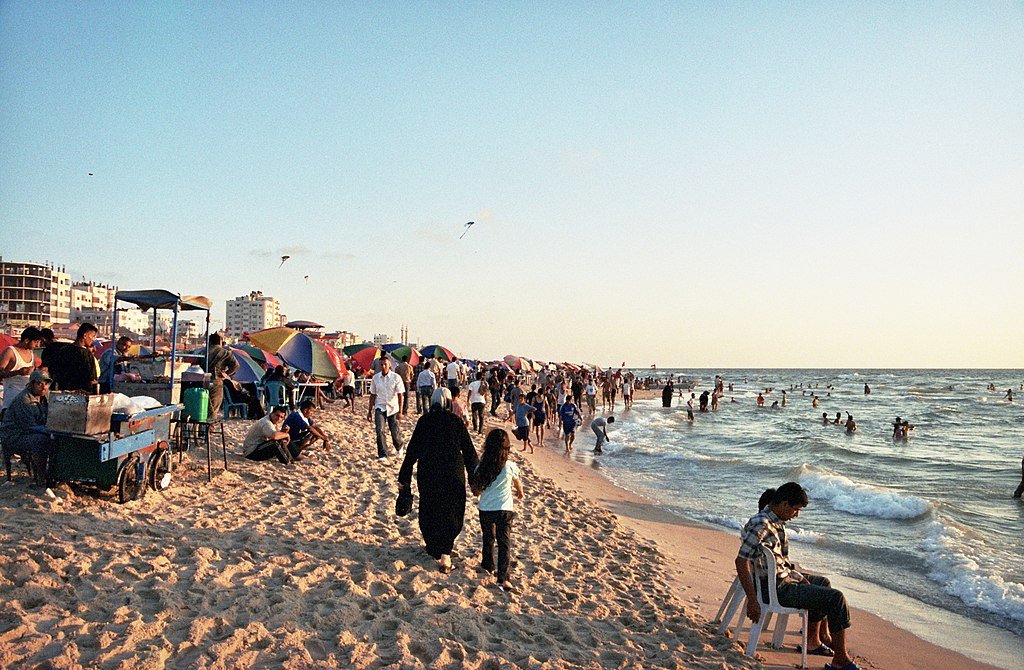
Gaza no siempre fue ese escenario de devastación y pobreza que desde hace décadas vemos en las noticias. A finales del XIX y en la primera mitad del siglo XX, era el lugar que muchas familias de la burguesía palestina elegían para pasar las vacaciones de verano. Con sus magníficas playas, su clima cálido y su cercanía con Egipto, Gaza era un lugar con atractivo “turístico” antes de que el turismo deviniese fenómeno social, un lugar ideal para solaz y reposo de las clases acomodadas de una sociedad tradicional, en proceso de modernización.

Conocer a Cirio Ruiz, es conocer la historia de la CORECAFECO. Pues él ha formado parte de este consejo aproximadamente 40 años. ¿Qué es la CORECAFECO? Es el Consejo Regional del Café de Coatepec. Es una organización que busca un trato digno y justo para los trabajadores del café. Lo hacen a través de; la organización comunitaria, llevando a cabo procesos limpios, es decir, la producción de café libre de agroquímicos. Luchan por precios más justos. Valora la vida humana y ambiental cuidando de la biodiversidad y procuran que la tierra y el agua se mantengan sanos.
Cassandra Kunert reports from Watertown, NY, where a local rally spotlighted not only democratic participation, but also the urgent need for mutual aid.